In the growing warehouse and logistics industry, understanding what is the difference between manual and electric pallet trucks is crucial. According to a recent report by Grand View Research, the global pallet truck market is expected to reach $21 billion by 2025, reflecting the rising demand for efficient material handling solutions. As businesses strive for higher productivity and cost-effectiveness, the choice between manual and electric options becomes increasingly significant.
Manual pallet trucks are generally more affordable and easier to maintain. They offer simplicity and reliability, especially in smaller operations. In contrast, electric pallet trucks provide enhanced power and efficiency. They minimize operator fatigue, which is a significant concern in work environments. However, their higher initial investment and maintenance costs may deter some businesses.
The decision should be based on specific operational needs, including load requirements and frequency of use. While electric trucks excel in larger, busier environments, manual trucks remain competitive for lightweight tasks. Understanding these differences can lead to more informed purchasing decisions, ultimately enhancing overall operational efficiency.
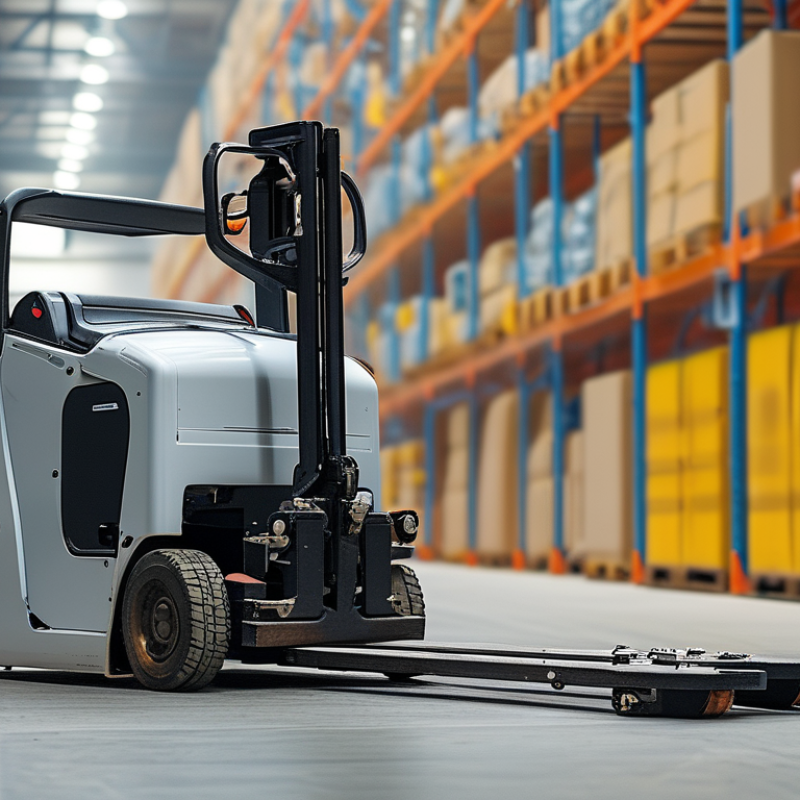
When choosing between manual and electric pallet trucks, it's crucial to understand their key differences.
Manual pallet trucks require human effort for operation. Workers push and pull them to transport loads. This can be physically demanding, especially with heavy loads or long distances.
However, they are generally more affordable and have lower maintenance needs.
Electric pallet trucks, on the other hand, are powered by batteries. They significantly reduce the physical strain on operators.
With the touch of a button, they can lift and move heavier loads more efficiently.
This increases productivity. Nevertheless, they require regular battery maintenance and can be costly upfront.
Operators must also consider charging times.
Tips:
When comparing manual and electric pallet trucks, load capacity is a vital factor. Manual pallet trucks typically handle lighter loads, often around 2,500 to 5,000 pounds. They are ideal for small warehouses or businesses with less frequent heavy lifting. Operators rely on human power, which can be tiring and less efficient over time.
On the other hand, electric pallet trucks can manage heavier loads ranging from 3,000 to 8,000 pounds or more. They use battery power, making them easier for operators to maneuver. This advantage comes with the potential challenge of battery maintenance. It's crucial to regularly check battery health and charge levels. Neglecting this might lead to unexpected downtime.
In practical terms, many users find that electric models save time and reduce physical strain. However, they may have higher upfront costs and require trained personnel for operation. Each choice needs a thoughtful assessment of the workload and environment. Understanding these differences is essential for optimizing operations and ensuring productivity.
When comparing manual and electric pallet trucks, operational efficiency plays a crucial role. Manual trucks require significant physical effort. Workers may tire quickly, leading to decreased productivity. This fatigue can slow down load handling and increase the risk of accidents. Training for manual equipment also demands extra time, offsetting its simplicity.
Electric pallet trucks offer a different experience. They require less manual labor, allowing operators to handle heavier loads with ease. However, training is necessary to ensure safety and efficiency. Battery management adds complexity but can improve overall workflow. Time spent charging can disrupt operations, requiring careful planning to maintain efficiency.
Both options present trade-offs in time and labor. Manual trucks promote physical activity but may lead to slower operations. Electric options boost productivity but introduce technical challenges. Evaluating the specific needs of your operation is vital. Each choice has its merits and drawbacks, influencing efficiency in unique ways.
| Feature | Manual Pallet Truck | Electric Pallet Truck |
|---|---|---|
| Initial Cost | Low | High |
| Operational Speed | Moderate | Fast |
| Labor Requirements | More manpower needed | Less manpower needed |
| Ergonomics | Manual effort required | User-friendly controls |
| Maintenance | Low | Moderate |
| Battery Requirement | None | Yes, regular charging |
When comparing manual and electric pallet trucks, maintenance and longevity stand out as crucial factors. Electric trucks usually require more specialized care. They have batteries that need regular charging and occasional replacement. Costs can rise if the truck malfunctions due to battery issues. In contrast, manual pallet trucks tend to have simpler designs. Their maintenance involves lubrication and occasional part replacements, which are generally less expensive.
Using a manual truck can be easier in terms of maintenance. However, this doesn’t mean they're free from problems. They can wear down with frequent use, particularly the wheels. Always inspect your equipment regularly to catch wear and tear early.
Tips: Keep a log of maintenance activities. This can help track costs over time. Consider the working environment, as harsh conditions can affect durability. Regular checks can prevent bigger expenses later. Moreover, relying solely on the type of truck may not be enough. A balanced fleet, incorporating both electric and manual options, may provide a more cost-effective solution.
When operating pallet trucks, user safety is paramount. Both manual and electric models come with unique risk factors. Manual pallet trucks require physical strength and can lead to fatigue. Operators often push or pull heavy loads. Overexertion can cause musculoskeletal injuries, especially in the back and shoulders. Consider the weight distribution of loads as well. Uneven loads can destabilize the truck and increase the risk of accidents.
Electric pallet trucks reduce physical strain but introduce their own risks. Drivers must stay aware of their surroundings. Blind spots can lead to collisions. Battery maintenance is crucial; malfunctioning batteries may cause unexpected shutdowns. Operators should be trained to handle emergency situations. Even with the convenience of electric models, awareness is necessary for safe operation.
Ergonomics also plays a critical role in pallet truck safety. Operators should adjust the truck’s handle for their height. A proper grip reduces strain on wrists. Investing in adequate training can make a significant difference. Organizations should regularly review safety protocols and training programs. Safety is an ongoing process, not just a checklist. Continuous reflection and improvement in handling practices ensure better outcomes.
: Manual pallet trucks typically handle loads between 2,500 and 5,000 pounds.
Electric pallet trucks can manage loads of 3,000 to 8,000 pounds or more.
Manual trucks require significant physical effort, leading to fatigue and potential accidents.
Electric models need battery maintenance and trained personnel for safe operation.
Manual trucks have simpler maintenance, while electric trucks need regular battery care and more specialized attention.
Yes, fatigue from physical effort may slow down load handling over time.
Keeping a log of maintenance activities can help track costs and catch wear early.
Regular checks can prevent bigger problems and expenses related to equipment wear.
Yes, harsh conditions can negatively affect the durability and performance of both manual and electric trucks.
A balanced fleet incorporating both electric and manual pallet trucks can be more cost-effective.
The article titled "2026 Top Manual vs Electric Pallet Trucks Key Differences" explores the fundamental distinctions between manual and electric pallet trucks. One key aspect is the load capacity, with electric pallet trucks generally capable of handling heavier loads compared to their manual counterparts. Additionally, operational efficiency is a significant consideration, as electric models tend to save time and labor, making them suitable for larger operations.
Maintenance and longevity also play crucial roles in determining the best choice for businesses, with electric trucks often requiring more technical upkeep but offering longer service life. Furthermore, user safety and ergonomics are highlighted, addressing risk factors associated with each type of pallet truck. Ultimately, the article answers the question, "what is the difference between manual and electric pallet trucks," by analyzing these various factors to help businesses make informed decisions based on their specific needs.

DLI AutoLogix