Choosing the right pallet truck for warehouse use is crucial for efficiency and productivity. According to a recent study by the Material Handling Institute, nearly 80% of warehouses report increased operational efficiency after upgrading their pallet trucks. This highlights the importance of making informed decisions.
Warehouse operations vary significantly. The needs of a high-volume distribution center differ from those of a smaller retail outlet. Factors like load capacity, lifting height, and maneuverability must be closely examined. A poorly chosen pallet truck can lead to accidents and loss of productivity. As safety professionals note, 30% of warehouse accidents are linked to equipment misuse.
Understanding how to choose the right pallet truck for warehouse use is central to ensuring both safety and efficiency. The market offers a wide range of options, making the selection process complex. It's essential to weigh specifications and consult industry experts. Ultimately, the right equipment can streamline operations and provide long-term benefits for businesses.
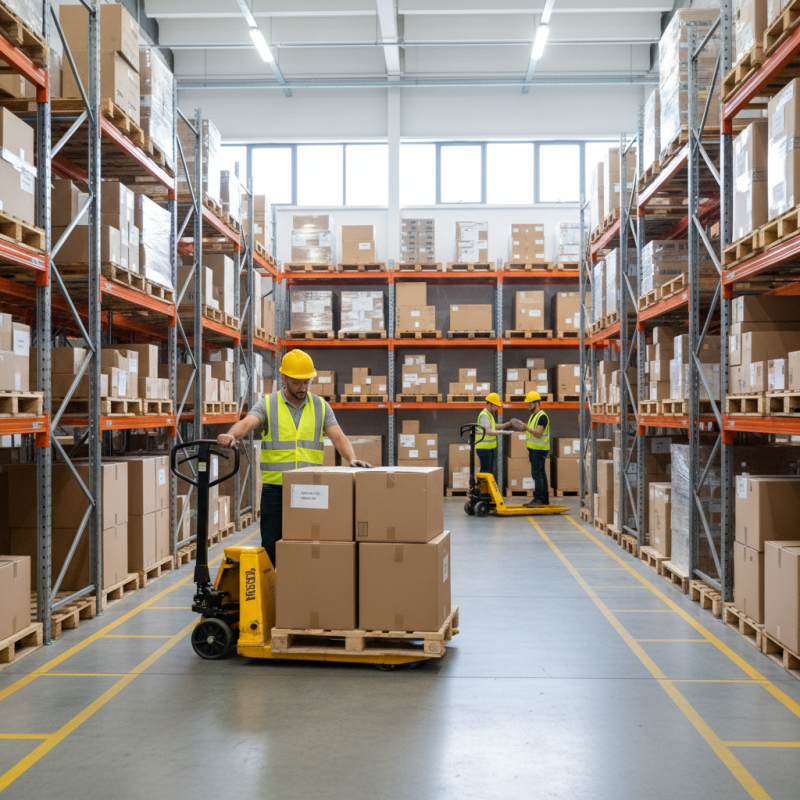
When selecting a pallet truck, understanding the various types is essential. Manual pallet trucks are simple and cost-effective. They require physical effort to operate but are great for light loads. Many warehouses use them for daily tasks. Their design is straightforward. This simplicity often means fewer repairs and lower maintenance.
Electric pallet trucks are another option. They reduce physical strain and increase efficiency. These trucks are ideal for heavy loads. However, they require regular charging. Battery upkeep can be a challenge. Some users might find this inconvenient. Operators should consider their specific needs.
Narrow aisle pallet trucks are essential for maximizing space. They fit into tight areas, allowing for better storage solutions. These trucks can be more challenging to maneuver. Users may need additional training. Each type of pallet truck serves a unique purpose. Evaluating these differences helps in making an informed choice.
| Type of Pallet Truck | Load Capacity (kg) | Fork Length (mm) | Weight (kg) | Best For |
|---|---|---|---|---|
| Manual Pallet Truck | 2000 | 1150 | 75 | Small warehouses |
| Electric Pallet Truck | 2500 | 1200 | 120 | Medium to large warehouses |
| Heavy-Duty Pallet Truck | 5000 | 1500 | 150 | Heavy lifting needs |
| Width Adjustable Pallet Truck | 2000 | 1150 | 80 | Versatile applications |
| Pallet Stackers | 1500 | 1000 | 140 | Stacking pallets |
When evaluating your warehouse layout, consider the dimensions and design. Ensure that the pallet truck can easily navigate narrow aisles and tight corners. Measure the width of aisles to determine the necessary truck size. This step is essential to avoid congestion and improve workflow.
Tips: Think about the height of your pallets. If your warehouse has tall racking systems, you may need a pallet truck with a higher lift capacity. Additionally, ensure enough space for maneuvering, especially if your staff frequently moves large quantities of goods.
Space requirements also involve the turning radius. A reliable turning radius allows operators to efficiently maneuver in various areas of the warehouse. If your layout includes obstructions, like columns or shelving, take note of these when planning your operations.
Tips: Conduct a walkthrough of your warehouse at different times. This can help identify potential bottlenecks or areas for improvement. Document these observations to refine your layout as needed, optimizing both space and workflow continuously.
Choosing the right pallet truck hinges significantly on understanding load capacity and weight limits. A pallet truck must match the specific weight of your loads. Overloading can lead to mechanical failures or accidents. Pay attention to the maximum weight the truck can safely handle. This is essential for maintaining a safe working environment.
Analyzing your warehouse's needs is crucial. Are there items that exceed average weight limits? If so, you may need specialized equipment. Also, consider how often you will be lifting heavy loads. Frequent use may require a more robust truck. Truck durability becomes vital in such scenarios. Underestimating load capacity can result in costly downtime.
The stability of the pallet truck is another aspect to consider. A truck that feels wobbly underweight can lead to accidents. Safety should always be a top priority. Involving your team in assessments can provide valuable insights. Their experiences can highlight potential issues you may overlook. Be aware that ideal performance aligns with proper load management. Regular reviews and adjustments can prevent future mishaps.
When selecting a pallet truck, customization can significantly enhance efficiency. Options such as
corner bumpers, custom length forks, or
adjustable handle heights can tailor the truck to specific tasks. According to a 2022 survey from the
Warehousing Education and Research Council, over 70% of warehouse managers reported improved productivity with
tailored equipment.
Consider the surface material as well. For example,
nylon wheels are ideal for smooth floors. Rubber wheels are better for rough terrain. The choice can influence
maneuverability and reduce worker fatigue. A report from the
Occupational Safety and Health Administration revealed that proper equipment reduces accidents by 40%.
Tips for customization include assessing your warehouse layout. Identify tight spaces that need compact equipment. Investing in
electric pallet trucks may also offer better ergonomics and ease of operation. An Evaluation by the Material Handling
Industry Association noted the rise in demand for electric models, highlighting their efficiency and reliability.
Ultimately, every feature matters. Reflect on your specific needs before making a decision. Balancing features with your budget is crucial.
Regularly reviewing these choices ensures your equipment continues to meet evolving warehouse demands effectively.
When selecting a pallet truck, safety standards are paramount. According to a report by the Occupational Safety and Health Administration (OSHA), more than 600 workplace fatalities involve material handling incidents each year. Understanding compliance regulations helps prevent these accidents. Your pallet truck must meet specific safety certifications, such as ISO and ANSI standards. Ensuring your equipment adheres to these guidelines is crucial.
Regular inspections of pallet trucks can greatly enhance workplace safety. A study from the National Safety Council indicates that maintaining equipment can reduce accidents by up to 30%. Regular checks should include wheels, lifting mechanisms, and overall structural integrity. Identifying potential hazards before they lead to incidents is vital in a busy warehousing environment.
Training employees on safety procedures is equally essential. Ensuring that operators understand safe handling practices can mitigate risks. Reports show that well-trained workers are 70% less likely to be involved in accidents. Therefore, investing in comprehensive training programs is not merely beneficial; it's a necessity for compliance and safety. Empowering employees with knowledge transforms safety culture within your warehouse.
: Load capacity ensures the truck matches the weight of your loads, preventing accidents and mechanical failures.
Overloading can lead to serious mechanical issues and jeopardize safety in the workplace.
Team insights can uncover overlooked issues, enhancing safety and performance.
Consider the weight of items and the frequency of heavy lifting. Durability is essential.
Custom features can enhance performance and improve productivity in specific tasks.
Nylon wheels suit smooth floors, while rubber wheels handle rough terrain better, affecting usability.
Regular evaluations ensure equipment aligns with changing warehouse demands and maintains effectiveness.
Evaluate your layout, load types, and think about potential ergonomic benefits of electric models.
Yes, failure to manage loads properly can increase the risk of accidents in your facility.
Yes, if your loads exceed the average weight, specialized equipment may be necessary to ensure safety.
When considering how to choose the right pallet truck for warehouse use, it is essential to understand the different types available, as each serves specific operational needs. Evaluating your warehouse layout and space requirements will help determine the size and maneuverability needed for effective operations. Additionally, assessing the load capacity and weight limits ensures optimal performance, maximizing efficiency while minimizing potential hazards.
Exploring additional features and customizations can further enhance the functionality of the pallet truck, allowing it to be tailored to your specific requirements. Lastly, maintaining safety standards and compliance is crucial when selecting pallet trucks to ensure a safe working environment. By addressing these key factors, you can make an informed decision that aligns with your warehouse needs.

DLI AutoLogix