Why Choose the Best Truck Loading and Unloading Equipment?

Time:2026-11-14 Author:Henry
0%

Choosing truck-loading equipment is not a matter of buying the largest dock leveler or the fastest conveyor. The right setup depends on truck types, load weight, dock height, floor space, and how often vehicles arrive. A busy distribution center may need a hydraulic dock leveler, vehicle restraint, and powered conveyor. A smaller warehouse might work better with a mobile yard ramp and pallet truck. The details matter: a short ramp can steepen the approach, while a poorly matched leveler can leave a noticeable gap at the trailer.

So, what is the best equipment for loading and unloading trucks? It is the combination that moves each load safely and steadily without creating bottlenecks. For this introduction, I can’t verify a named expert quotation from the material provided, so I won’t invent one. A practical point remains: equipment should fit the actual operation, not an idealized workflow. Measure trailer-bed heights, check the heaviest loads, and watch how pallets move during a typical shift. Small observations can change the recommendation.

There is no perfect setup. Even reliable equipment needs inspection, operator training, and room for changing workloads. That part is easy to underestimate. This guide examines how suitable loading and unloading equipment can reduce manual handling, protect goods, and keep trucks moving—while recognizing that the best choice depends on the site’s real constraints.
Why Choose the Best Truck Loading and Unloading Equipment?

What Truck Loading and Unloading Equipment Includes

Why Choose the Best Truck Loading and Unloading Equipment?

What Truck Loading and Unloading Equipment Includes

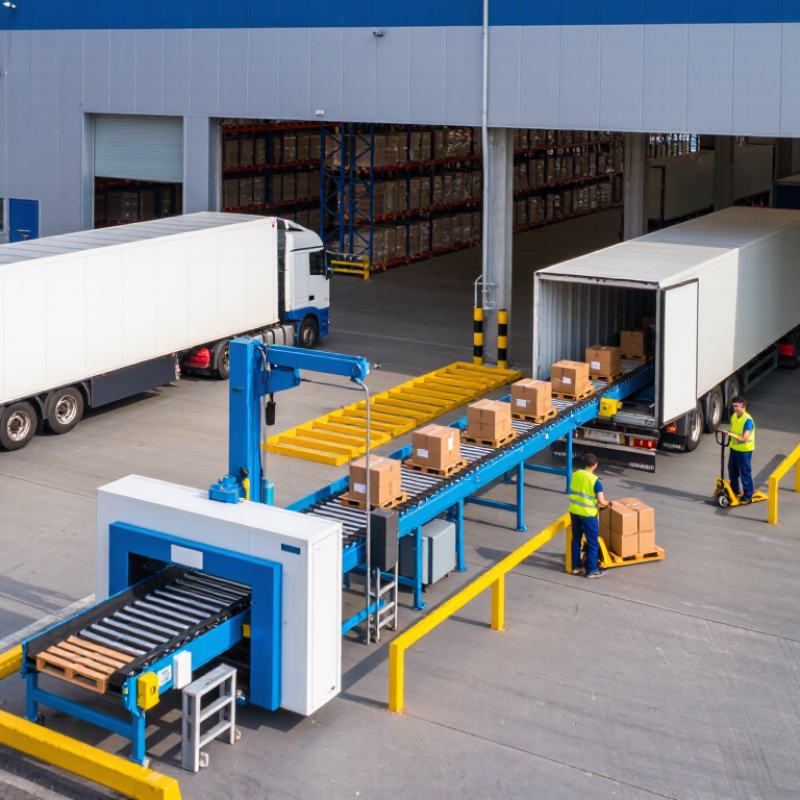
Truck loading and unloading equipment includes more than forklifts. A typical dock may use a dock leveler to bridge the height gap between the floor and trailer. Vehicle restraints help keep trailers in position, while dock seals or shelters reduce gaps around the opening. Inside, pallet jacks, conveyors, lift tables, and forklifts move goods between staging areas and vehicles.

The right setup depends on trailer types, cargo weight, dock height, and daily traffic. A pallet jack may suit short, level moves; a conveyor can help with repeated carton transfers. The U.S. Bureau of Labor Statistics reported a 2023 recordable injury and illness rate of 4.4 cases per 100 full-time workers in transportation and warehousing. This figure describes the sector, not equipment performance, but it underscores why safe movement deserves attention. A leveler that is poorly matched to a trailer can create awkward transitions. We sometimes overlook that detail.

Tips: Check trailer heights and load types before choosing equipment. Inspect levelers, restraints, and wheels routinely. Keep pedestrian routes clear. No setup is perfect; review near misses and adjust procedures.

How Different Equipment Types Support Cargo Handling

Why Choose the Best Truck Loading and Unloading Equipment?

How Different Equipment Types Support Cargo Handling

Truck loading equipment works best when it suits the cargo, dock, and daily pace. A dock leveler bridges the height gap between a loading bay and a trailer, helping pallet trucks move across more smoothly. Dock plates offer a simpler option for lighter loads and smaller height differences. Scissor lifts can serve sites where goods need to move between several floor levels. For cartons, powered or gravity conveyors reduce repeated carrying. Forklifts handle palletized freight, but need clear travel paths and trained operators. Small details matter.

Tips: Check load capacity, platform size, and the actual height range before choosing equipment. Keep floors dry and clear. Inspect moving parts regularly, and train staff on safe operating procedures.

The right setup depends on more than equipment type. A narrow dock may restrict turning space, while mixed cargo can make a single handling method impractical. Measure the trailer opening and dock height, then consider how often each load type arrives. A common mistake is assuming faster equipment always improves throughput; it may only move a bottleneck to staging. That deserves a second look. Regularly review near misses and delays, since they can reveal where the setup or workflow needs adjustment.

Why Choose the Best Truck Loading and Unloading Equipment?

Typical rated-capacity ranges by equipment type (tonnes). Select equipment based on the cargo, vehicle, and site requirements.

Capacity ranges are indicative examples found in equipment specifications, not universal limits. Actual ratings vary by model and rating standard. A dock leveler’s rated capacity is not directly equivalent to a vehicle’s lifting capacity.

Which Factors Guide Equipment Selection

Why Choose the Best Truck Loading and Unloading Equipment?
Which Factors Guide Equipment Selection

Selection should start with the loads, not a catalogue. Record pallet dimensions, maximum weight, load stability, and daily truck volume. Measure the dock height and the height differences between visiting trailers. A leveler or lift must suit those conditions, while leaving safe clearance for forklifts and workers. Small details matter. Check floor capacity, available space, power supply, and exposure to rain or cold. Equipment that fits one busy dock may slow another.

The U.S. Bureau of Labor Statistics reported 4.8 recordable injury and illness cases per 100 full-time workers in warehousing and storage in 2022, compared with 2.7 across private industry. This is a risk signal, not proof that a particular machine prevents injuries. Still, stable transitions, clear sightlines, and controls within easy reach deserve attention. Match rated capacity to the heaviest expected load, not the average. Consider service access and operator training, too. A technically suitable system can disappoint if maintenance is difficult or staff find it awkward.

Tips: Observe a full shift before choosing. Note trailer changes, bottlenecks, and manual adjustments. Ask operators what feels clumsy; they may not agree with the first equipment plan. Recheck measurements on site. A small mismatch can become a daily delay.

How the Right Equipment Improves Safety and Efficiency

The right loading and unloading equipment makes a dock safer by reducing awkward lifts, sudden shifts, and rushed movements. A dock leveler can bridge the gap between a fixed platform and trucks with different bed heights. Restraints help limit trailer movement during transfer. Small details matter. The control should be easy to reach, and the working surface should stay clear of loose wrap, water, and debris.

Efficiency comes from matching equipment to the actual load and workflow. A lift table can bring heavy items to a comfortable working height, while a conveyor may reduce repeated carrying across a long dock. Before choosing, check typical load weights, available floor space, truck variation, and how often shipments arrive. A system that works for one trailer may not suit the next. That mismatch can create delays or encourage unsafe shortcuts.

Training and maintenance matter just as much as the equipment itself. Workers need clear instructions for operating controls, securing loads, and responding to faults. Inspect hinges, hydraulic lines, wheels, and safety stops on a regular schedule. Equipment can still fail. A worn leveler or poorly placed control may go unnoticed until the dock is busy, so staff should have a simple way to report problems and pause work when something feels wrong.

What to Check Before Buying or Using the Equipment

Why Choose the Best Truck Loading and Unloading Equipment?
What to Check Before Buying or Using the Equipment

Before choosing dock levelers, lifts, or restraints, match the equipment to your actual loads. Record the heaviest pallet, truck-bed height range, load dimensions, and daily movement volume. OSHA’s Powered Industrial Trucks eTool estimates that these vehicles cause about 85 fatal accidents and 34,900 serious injuries each year. The figures cover a broad range of workplaces, but they underline why safe access and stable loads matter.

Check rated capacity, platform dimensions, travel range, and compatibility with the vehicles serving your site. Ask how the equipment behaves when a truck sits unevenly or leaves a gap at the dock. A specification sheet cannot answer every site question. Measure the dock and truck, then confirm the figures with the supplier. Also inspect guards, emergency stops, controls, and visible welds; unclear labels are a warning, not a minor detail.

Before each shift, look for leaks, damaged cables, loose fasteners, and unusual movement. OSHA requires industrial trucks to be examined before use and at least daily; continuous-use trucks must be checked after each shift. Keep inspection records and train operators on the specific equipment. This part is often rushed. It shouldn’t be. A checklist helps, though it cannot replace a competent inspection or a proper fit assessment.

Why Choose the Best Truck Loading and Unloading Equipment? - What to Check Before Buying or Using the Equipment

Equipment Type Typical Use What to Check Before Buying Checks Before Each Use Why the Check Matters
Dock leveler Bridges the height gap between a loading dock and a truck bed. Confirm the rated capacity covers the heaviest loaded forklift or pallet truck expected on the platform. Check the working range, platform width, pit dimensions, lip length, and compatibility with the dock and truck fleet. Look for visible damage, loose or missing parts, unusual movement, damaged controls, and oil leaks on hydraulic models. Confirm the leveler is fully seated and the vehicle is secured before crossing. Correct capacity and fit help prevent overload, unstable transitions, and damage to the dock or vehicle. A leveler’s rating should be selected for the combined load and operating conditions, not cargo weight alone.
Portable loading ramp Provides access to a truck when a fixed dock or leveler is unavailable. Check the ramp’s rated capacity, usable width, incline at the actual truck height, surface traction, and whether its end fittings suit the vehicle. Verify that the truck floor can support the intended load. Position the ramp as instructed, secure its connections, and check for cracks, bending, loose fasteners, contamination, or movement. Keep the ramp and approach area clear. Ramp capacity and slope affect stability and safe equipment movement. A ramp that is too steep, too narrow, or not secured can increase the risk of slipping or tipping.
Forklift Moves pallets and other unit loads between the vehicle, dock, and storage area. Match the truck’s rated capacity and load centre to the loads being handled. Check the data plate, attachment rating, mast height, turning clearance, power source, and suitability for the work area. Follow the operator’s inspection procedure; check tires, forks, mast, chains, brakes, steering, warning devices, and visible leaks. Do not operate a truck with a safety-related defect. Attachments and load position can reduce available lifting capacity. Proper selection, trained operators, and pre-use inspections help control tip-over, collision, and dropped-load hazards.
Pallet truck Moves palletized loads over short distances, especially on dock plates and truck floors. Check rated capacity, fork length and width, pallet compatibility, turning space, and whether a manual or powered model suits the travel distance and surface. Inspect forks, wheels, handle or controls, lift and lower functions, and the load for stability. Check that the floor or bridge plate is sound and that the route is clear. Correct pallet fit and a suitable surface reduce load shifting and equipment damage. Powered units also require checks of the battery, controls, and emergency stop where fitted.
Conveyor or powered roller system Transfers cartons or other compatible goods between a truck and a handling line. Verify the conveyor’s rated load, product size and weight range, working height, length, throughput needs, power supply, emergency-stop locations, and guarding. Check belt or rollers, guards, supports, controls, emergency stops, and the area around moving parts. Remove obstructions only using the approved safe procedure. Matching the system to the product prevents jams and overloading. Guards and accessible emergency stops help reduce entanglement and other moving-equipment hazards.
Wheel chocks and vehicle restraints Help prevent a truck or trailer from moving during loading and unloading. Choose equipment suitable for the vehicle type, wheel size, dock layout, and site procedure. Check that any restraint system is compatible with the vehicles it must secure. Apply the site’s vehicle-securing procedure and verify the restraint or chocks are correctly positioned before equipment enters the vehicle. Do not rely on a visual signal alone if the procedure requires positive verification. Unexpected vehicle movement can create a gap at the dock or cause equipment to fall. Consistent vehicle-securement procedures help protect workers and equipment.

Note: Capacity, dimensions, and operating limits vary by model and installation. Confirm them from the equipment data plate, manufacturer instructions, site risk assessment, and applicable local regulations before purchase or use.

FAQS

What does a dock leveler do?

It bridges the height gap between a loading dock and a trailer. Pallet trucks can cross more smoothly. The fit still matters.

When is a dock plate a practical option?

Dock plates can suit lighter loads and smaller height differences. Check their rated capacity before moving cargo.

How can conveyors help with cartons?

Powered or gravity conveyors reduce repeated carrying. They may not solve delays elsewhere, such as crowded staging areas.

When should a site consider a scissor lift?

A scissor lift can move goods between different floor levels. Measure the platform space and required travel range first.

What should be checked before choosing handling equipment?

Record the heaviest pallet, cargo dimensions, truck-bed heights, and daily volume. Measure the dock, too. Guessing is tempting, but risky.

How can a site tell whether equipment will fit its vehicles?

Check rated capacity, platform size, and height range against the trucks serving the dock. Ask how it performs on uneven ground.

What should staff inspect before a shift?

Look for leaks, damaged cables, loose fasteners, and unusual movement. Keep records. A checklist helps, but it cannot replace a proper inspection.

Why do clear paths and operator training matter for forklifts?

Forklifts handle palletized freight, but need clear travel paths and trained operators. A narrow dock can make turning difficult.

Does faster equipment always improve cargo flow?

Not always. It may move a bottleneck to the staging area. Review delays and near misses; they can reveal problems. We may overlook small ones.

Conclusion

Truck loading and unloading equipment includes a range of tools designed to move cargo between vehicles, docks, and storage areas. Depending on the task, options may include dock levelers, lift tables, pallet jacks, forklifts, conveyors, and tail lifts. Each type supports different cargo sizes, weights, workflows, and site conditions, so choosing equipment starts with understanding what is being handled and how often.

To determine what is the best equipment for loading and unloading trucks, consider load capacity, vehicle and dock dimensions, available space, operating frequency, and the training required. The right choice can reduce manual handling, improve workflow, and help create a safer working environment. Before buying or using equipment, check its condition, capacity, operating instructions, maintenance needs, and compatibility with the truck and loading area. Proper selection and regular checks help keep cargo handling efficient and reliable.

Henry

Henry

Henry is a dedicated marketing professional with a profound expertise in the company's offerings. With years of experience in the industry, he possesses an impressive understanding of the market dynamics and consumer behaviors that drive success. Henry is committed to sharing his insights through......