In the logistics and transportation industry, understanding the nuances of equipment is crucial. Among the most frequently used tools are tail lifts and loading ramps. These devices facilitate the loading and unloading of goods, each having unique features. According to a report by the Material Handling Industry (2022), the right choice can enhance efficiency by up to 30%.
So, what is the difference between tail lift and loading ramp? Tail lifts are hydraulic platforms mounted on vehicles. They lower to ground level, allowing easy access for heavy loads. Alternatively, loading ramps provide an inclined surface for moving goods in various scenarios. They can be portable or fixed, serving different loading requirements.
Evaluating these two options is vital for businesses. Selecting one over the other depends on specific cargo needs, frequency of use, and available space. Ultimately, a well-informed choice leads to smoother operations and reduced safety risks. Reflecting on equipment use is essential for continuous improvement.
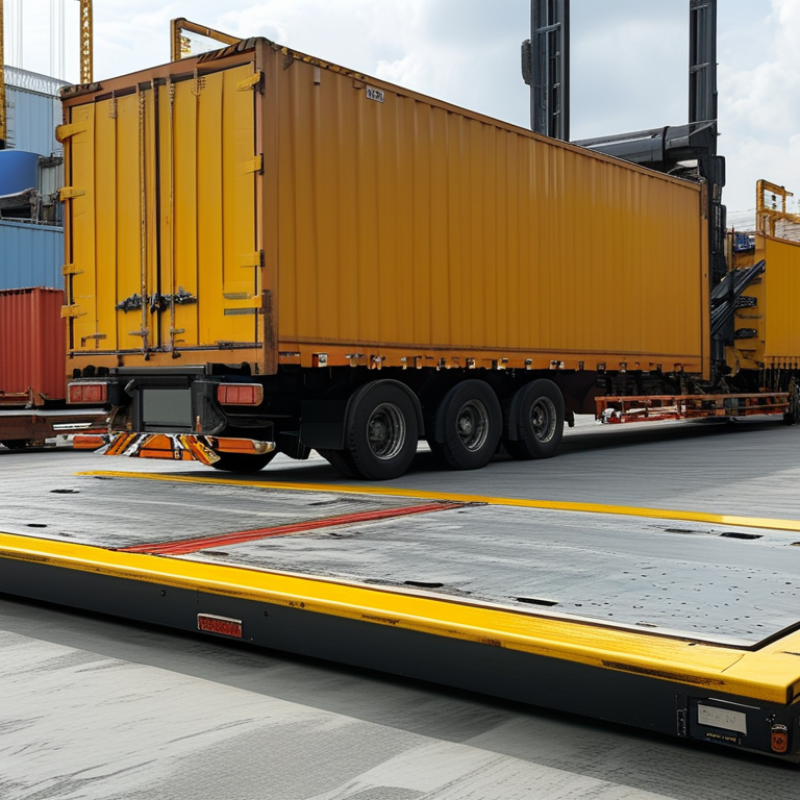
Differences in Structure: Tail Lift Versus Loading Ramp Design
When comparing a tail lift and a loading ramp, structure plays a crucial role. A tail lift is typically mounted on the rear of a vehicle. It can be lowered to the ground, creating a seamless transition for loading and unloading. The hydraulic mechanism operates quietly and efficiently. This design is ideal for heavy loads and street-side deliveries.
In contrast, loading ramps are usually stationary and made of metal or aluminum. They are inclined and don’t require an auxiliary power source. These ramps can be portable or fixed in one location. While they are often lighter than tail lifts, they can sometimes pose safety concerns if not secured properly. Users must be cautious and ensure the ramp is stable before loading.
Both options have their own challenges. Tail lifts can malfunction due to wear and tear, impacting reliability. Loading ramps may lead to accidents if users don’t follow safety protocols. Understanding these structural differences helps businesses make informed choices based on their operational needs.
Top 10 Differences Between Tail Lift and Loading Ramp
| Aspect |
Tail Lift |
Loading Ramp |
| Design |
Hydraulic or electric mechanism for lifting |
Inclined surface, often fixed or adjustable |
| Loading Capacity |
Typically higher capacity for heavy loads |
Lower capacity, limited by angle and length |
| Mobility |
Usually fixed to a vehicle |
Can be portable or fixed |
| Ease of Use |
Simpler operation with controls |
Depends on user ability to maneuver loads |
| Maintenance |
Requires periodic servicing of hydraulic systems |
Generally lower maintenance |
| Cost |
Higher initial investment |
Lower initial cost |
| Installation |
More complex, may require professional installation |
Relatively simple to install |
| Physical Space |
Takes up rear space of the vehicle |
Can be stored separately when not in use |
| User Fatigue |
Less strain on users due to automated lift |
Can cause more strain during manual use |
| Safety |
Generally safer with safety features |
Risks involved with slips or falls |
Loading Capacity: Evaluating the Weight Limitations of Each System
When considering loading capacity, both tail lifts and loading ramps have distinct characteristics. Tail lifts typically accommodate heavier loads. Most models support up to 1,500 kg. Data indicates that they have a higher maximum weight threshold than standard ramps. This makes them suitable for professional logistical applications.
In contrast, loading ramps generally allow lighter loads, often capped at around 600 kg. This difference largely stems from their construction. Ramps are often portable and lightweight. As a result, they sacrifice some load capacity. However, they offer versatility in various settings, such as construction sites or warehouses.
Evaluating safety measures is essential. Tail lifts come equipped with advanced features for stability. They often include limit sensors and hydraulic systems. These enhance reliability, especially with heavier loads. Loading ramps, while functional, can present challenges. If not properly secured, they pose a risk when loaded near capacity. Regular inspections and maintenance are critical for both systems to ensure they operate within safe limits.
Top 10 Differences Between Tail Lift and Loading Ramp: Loading Capacity
Operational Efficiency: Speed and Ease of Use in Loading Processes
Operational efficiency in loading processes often hinges on the choice between a tail lift and a loading ramp. Each option has unique attributes that impact speed and ease of use. Data from the logistics sector indicates that using a tail lift can reduce loading times by up to 30%. This is particularly beneficial in busy distribution centers where time is money. A loading ramp, while a solid choice, may not match this efficiency during peak hours.
Tail lifts facilitate swift vehicle unloading and loading, often requiring only one operator. A study by the Transport Research Laboratory highlighted that 65% of operators prefer tail lifts for their simplicity. This can lead to fewer workflow interruptions. Loading ramps, on the other hand, often demand multiple personnel. They may be more cost-effective but come with a longer setup time.
Incorporating technology can enhance loading process efficiency. Consider investing in automated systems to manage the loading tasks. Monitor your operations closely to identify any delays. Optimize personnel training to maximize the benefits. Regularly assess your equipment to ensure it meets your operational needs. Remember, even small adjustments can create significant efficiency gains over time.
Safety Considerations: Risk Factors Associated with Tail Lifts and Ramps
When considering the safety factors of tail lifts and loading ramps, several risk factors come to light. Both systems facilitate loading and unloading, but they pose unique hazards. Tail lifts often operate under hydraulic pressure, which can fail and create serious accidents. Regular maintenance is essential. Neglecting checks might lead to sudden drops, endangering workers nearby.
Loading ramps, while simpler, are not without risks. Slippery surfaces can cause load slips, especially in wet conditions. The angle of the ramp also influences safety. A steep incline may lead to the loss of control for wheeled equipment. Proper training is vital for users to understand these dangers.
Inadequate communication can exacerbate risks. Workers need to be alert and aware of their surroundings. Misjudging load weight can result in tipping or tipping over. Establishing clear protocols can minimize accidents. Both tail lifts and ramps require careful consideration and persistent vigilance to ensure safe operation in the workplace.
Cost-Effectiveness: Comparative Lifespan and Maintenance of Equipment
When comparing tail lifts and loading ramps, cost-effectiveness is a key consideration. The lifespan and maintenance costs of these two pieces of equipment can significantly impact your budget. Tail lifts often have a longer lifespan than loading ramps, averaging 10 to 15 years with proper maintenance. Meanwhile, loading ramps typically last about 5 to 10 years. This difference means that although tail lifts may involve higher initial costs, they can be more economical over time.
Maintenance for tail lifts usually requires specialized technicians. This can increase costs but ensures optimal performance and safety. Loading ramps, on the other hand, demand less specialized care, making basic maintenance more accessible. However, neglect can lead to faster wear and potentially higher replacement costs. Reports indicate that companies that prioritize regular inspections can save up to 20% in long-term operational costs.
Keep maintenance records for both options. Regular maintenance can catch issues early and extend equipment life. Think about the specific environment where you'll use the equipment. Harsh conditions could accelerate wear, making regular servicing crucial. User feedback often highlights the importance of balancing cost and functionality. Always consider how frequently you'll use the equipment and its overall efficiency to avoid overspending.
FAQS
: A tail lift mounts on a vehicle's rear and lowers to the ground for easy loading. A loading ramp is usually stationary and inclined.
Tail lifts can support up to 1,500 kg, making them ideal for heavy loads.
Loading ramps often accommodate lighter loads, typically capped at around 600 kg.
If not secured properly, loading ramps can pose risks. Users must ensure stability before loading.
Tail lifts last around 10 to 15 years, while loading ramps last about 5 to 10 years.
Tail lifts require specialized technicians for maintenance, which can increase costs.
Regular inspections can extend the life of both systems and catch issues early.
Loading ramps require less specialized care, but neglect can lead to faster wear and higher costs.
Considering initial and long-term costs is essential for budget planning and operational efficiency.
Harsh conditions may accelerate equipment wear, making regular servicing critical.
Conclusion
When exploring what is the difference between tail lift and loading ramp, several key factors emerge. Firstly, the structure of each system differs significantly; tail lifts are hydraulic platforms integrated into vehicles, while loading ramps are typically inclined surfaces allowing for manual or mechanical loading. In terms of loading capacity, tail lifts often support heavier weights, but both systems have specific limitations that must be considered for safety and efficiency.
Operational efficiency is also a critical aspect, with tail lifts usually providing quicker loading processes compared to ramps. However, ramps may require less maintenance and offer a cost-effective solution over time. Safety considerations, including risk factors associated with each system, are vital as well, particularly regarding operator training and equipment handling. Overall, understanding these differences can help in making an informed decision suited to specific loading requirements.

 DLI AutoLogix