When it comes to hydraulic ramps, maintenance is often overlooked. What maintenance is required for hydraulic ramps? According to Jack Thompson, a hydraulic systems expert with over 20 years of experience, “Regular inspections and proper care are crucial for safety and efficiency.” His insights shed light on important aspects of maintenance that many operators might neglect.
Hydraulic ramps are vital in various industries. They facilitate seamless loading and unloading of goods. However, without consistent maintenance, these systems can present serious hazards. It is essential to check hydraulic fluids regularly, ensuring they’re at optimal levels. Inspecting seals and hoses for wear is also crucial. This helps prevent leaks that can lead to costly repairs or accidents.
Moreover, operators should ensure that all control systems function properly. Taking a proactive approach to maintenance can extend the lifespan of hydraulic ramps. Many users underestimate the intricacies involved. While some details may seem minor, neglecting them could lead to significant issues. Regular maintenance is not just a suggestion; it is a necessity for safe operations.
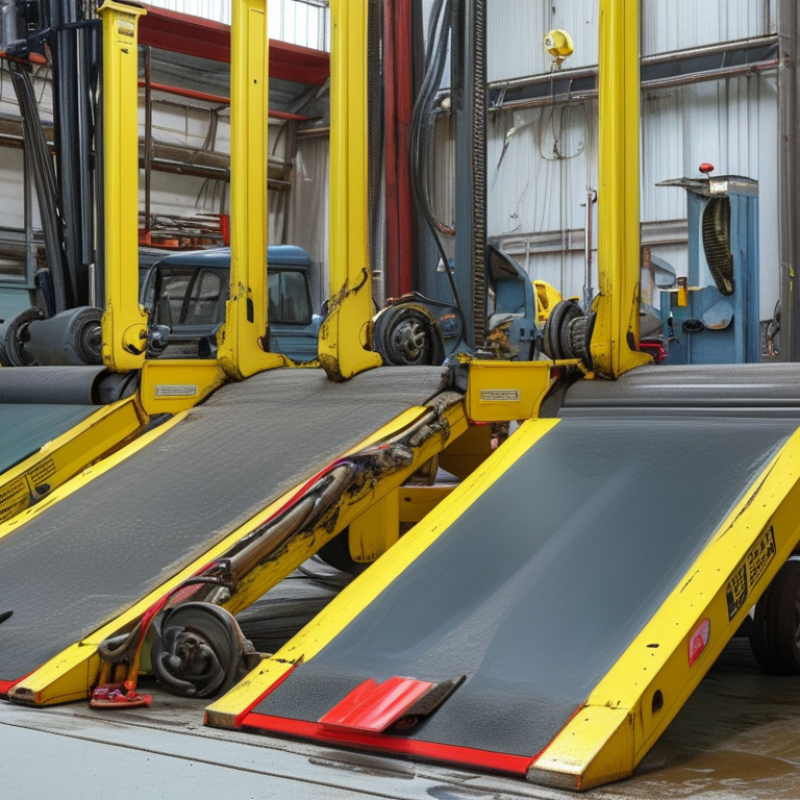
Maintaining your hydraulic ramp ensures its efficiency and longevity. Regular checks will help you avoid unexpected breakdowns. A crucial element is inspecting the hydraulic fluid levels. Low fluid can lead to poor performance. Make it a habit to check this weekly, especially if the ramp is used daily.
Next, examine the hydraulic hoses for any signs of wear or leaks. Cracks or abrasions can compromise safety. If you notice any defects, replace them immediately to prevent further damage. Additionally, clean the ramp regularly to remove debris. This helps in preventing mechanical issues and ensures smooth operation.
You may overlook minor squeaks or irregular noises, but they often indicate deeper problems. Pay attention to these sounds. Don't wait for a malfunction to address them. Keeping a maintenance log can also help track the ramp's condition over time. Regular documentation often reveals patterns that can lead you to anticipate maintenance needs. Being proactive is key to ensuring a reliable hydraulic ramp.
Regular inspections of hydraulic systems are crucial for ensuring safety and functionality. Over time, components can wear out or become damaged, leading to significant issues. These issues might be overlooked until they result in costly repairs or accidents. Being proactive can save time and resources in the long run.
Here are some maintenance tips to keep in mind. Always check for leaks during inspections. Even small leaks can indicate larger system failures. Ensure that the hydraulic fluid levels are adequate and the fluid is clean. Dirty fluid can cause rapid deterioration of system components. Finally, visually inspect hoses and connections for signs of wear or damage.
Keep a log of each inspection. This record helps identify patterns over time. Consistent monitoring can reveal potential problems early. Investing time in maintenance now can prevent major disruptions in the future. It’s essential to be vigilant and thorough with every inspection. Small details make a big difference.
This chart illustrates the importance of regular inspections for hydraulic ramps by showing the number of incidents associated with various maintenance activities over the course of a year. Regular inspections can significantly reduce the likelihood of emergency repairs and incidents.
Hydraulic ramps are essential in many industries. However, they often experience failures that can disrupt operations. Common issues include hydraulic leaks, cylinder malfunctions, and electrical failures. Each problem can lead to safety hazards and costly repairs.
Proper maintenance is key to preventing these failures. Regular inspections can identify leaks early. Check hoses for wear and tear, as well as fittings for tightness. Cleaning the hydraulic fluid reservoir is also crucial. Contaminated fluid can cause sluggish operation and increased wear on components.
Ramps should also be tested under load conditions routinely. This helps detect any loading-related issues. Operators must be trained to recognize unusual sounds or slow movements. Ignoring these signs can lead to bigger problems down the line. Investing time in maintenance can save you money and enhance safety.
| Failure Type | Description | Prevention Tips | Recommended Maintenance Frequency |
|---|---|---|---|
| Hydraulic Fluid Leaks | Loss of hydraulic fluid can result in reduced lift capability. | Inspect hoses and connections regularly, replace worn parts. | Monthly |
| Electrical Failures | Issues with wiring or control systems that prevent operation. | Check electrical connections and circuits periodically. | Quarterly |
| Seal Damage | Worn seals can cause pressure loss and hydraulic inefficiency. | Inspect seals for wear and replace as needed. | Annually |
| Mechanical Wear | Over time, components may wear down affecting performance. | Perform regular checks on moving parts and tighten fasteners. | Semi-Annually |
| Unexpected Shut Downs | Loss of power or failures in the hydraulic system can halt operations. | Ensure backup power systems are in place and functioning. | Yearly |
Hydraulic systems rely heavily on proper fluid maintenance. Contaminated fluid can lead to significant performance issues. Regularly checking fluid levels is crucial. If levels drop, potential damage can occur. Also, inspect for leaks. A small leak can lead to larger issues over time. It’s essential to be proactive.
Another key practice is changing the hydraulic fluid at recommended intervals. Over time, fluid can degrade. This degradation affects performance. Using a filter can help catch contaminants. However, filters need regular replacement for optimal function. Neglecting this can lead to costly repairs down the line.
Monitoring the temperature is equally important. High temperatures can indicate problems within the system. It’s not uncommon to overlook this aspect. However, consistent high temperatures can shorten the lifespan of components. Take time to address abnormal readings. Reflecting on these practices can enhance overall system reliability.
Hydraulic ramps are vital for many industries. However, it’s crucial to monitor and manage load capacities consistently. Understanding load limits improves safety compliance. Regular checks ensure that ramps handle expected weight without risk. Overloading can lead to mechanical failure or accidents.
One vital tip is to educate staff on weight limits. Everyone should know the permissible capacity of the ramp. Place visibility labels near the ramp to reinforce these limits. Regular training sessions can help maintain awareness. Encourage reporting if the ramp shows signs of strain or wear.
It’s also essential to conduct routine inspections. Look at hydraulic systems for leaks or wear. Check for any signs of rust or damage on the ramp itself. A small issue can escalate into a significant problem if ignored. Keeping a maintenance log helps identify patterns over time. This practice fosters accountability and supports safety measures. Monitoring and managing hydraulic ramps requires diligence and attention. Proper procedures can save lives and resources in the long run.
: Check the hydraulic fluid levels weekly, especially if used daily.
Look for cracks, abrasions, or leaks. Replace any damaged hoses immediately.
Regular cleaning prevents debris build-up, avoiding mechanical issues and ensuring smooth operation.
Don’t ignore them. Such noises often indicate deeper problems that need attention.
Maintain a log of each inspection. This helps identify patterns over time.
Overlooking small issues can lead to costly repairs or accidents later on.
Dirty fluid can cause rapid wear of system components and lead to failures.
Yes, even small leaks can indicate larger issues within the system.
They help ensure safety and functionality, preventing serious problems down the line.
Being proactive saves time and resources by preventing major disruptions in the future.
Maintaining hydraulic ramps is crucial for ensuring their proper functionality and safety. Regular inspections are vital to identify and address potential issues before they become serious failures. Key maintenance practices include checking the hydraulic fluid levels and quality, ensuring seals and hoses are in good condition, and regularly monitoring load capacities for compliance with safety standards.
To answer the question of what maintenance is required for hydraulic ramps, it's essential to implement routine checks on the hydraulic system, perform fluid maintenance, and understand common failures and their preventive measures. By adhering to these practices, operators can enhance the performance and longevity of hydraulic ramps, ensuring safe and efficient operations.

DLI AutoLogix