Lifting equipment can move several tonnes in seconds, yet many accidents begin with ordinary shortcuts. A rushed inspection, unclear hand signal, or poorly positioned load can turn a routine lift into a serious event. The real question is not whether equipment looks strong. It is whether the entire lifting process is controlled.
Industrial safety leader Paul O’Neill expressed this principle clearly: “Safety is not a priority, safety is a precondition.” His words apply directly to how to prevent accidents when using lifting equipment. Safe lifting starts before the machine moves. A competent person should confirm the load weight, lifting points, rated capacity, ground condition, and weather. Operators should inspect hooks, chains, wire ropes, brakes, controls, and emergency stops. Small defects matter.
A checklist is not magic. People still hurry.
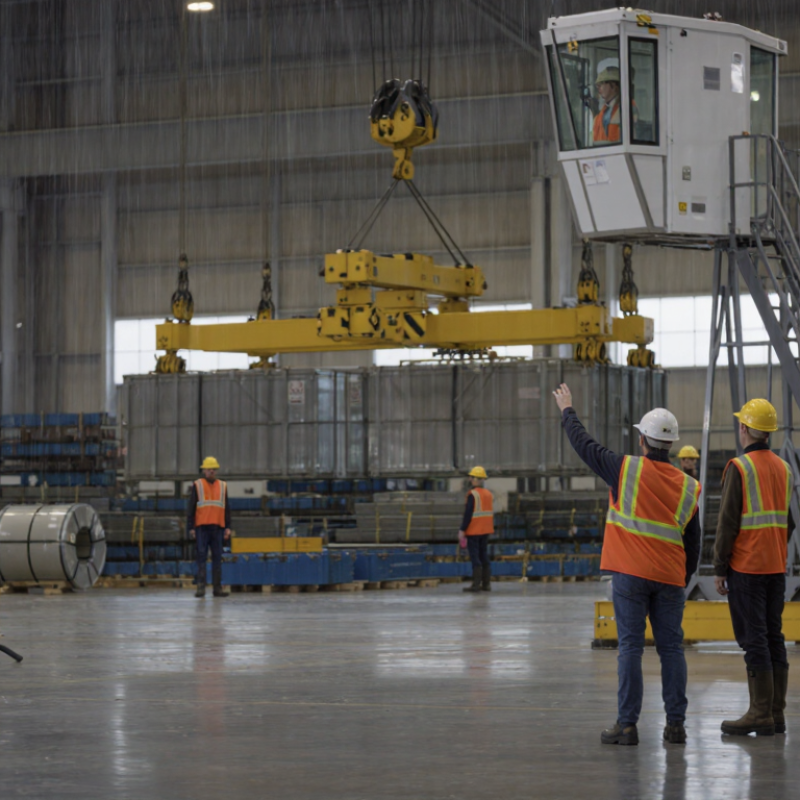
Clear communication remains essential. One trained signaler should guide the operator, while everyone stays outside the exclusion zone. Loads should be raised slowly, kept balanced, and never carried above people. Workers must understand the equipment manual and site-specific lifting plan, not merely sign a training sheet. Supervisors should record defects, stop unsafe lifts, and review near misses honestly. That last part is often uncomfortable, but it reveals weak habits before someone gets hurt. Regular maintenance, practical drills, and respectful questioning make prevention stronger. Even experienced crews can misjudge a load or ignore changing ground conditions. Effective safety systems leave room to pause, think, and correct the plan.
Understanding the Main Causes of Lifting Equipment Accidents
Why and How to Prevent Accidents With Lifting Equipment?
Understanding the Main Causes of Lifting Equipment Accidents
Lifting accidents rarely come from one mistake. They usually develop through several small failures. A rushed inspection may leave a cracked hook, worn sling, or loose connection unnoticed. Overloading is another serious cause. The load may look stable, yet its weight can exceed the equipment’s safe working limit.
Poor rigging creates hidden danger. An uneven load can swing when it leaves the ground. Sharp edges may cut lifting slings during movement. Unclear signals also cause trouble, especially when the operator cannot see the load. One person should direct the lift. Communication must remain simple and consistent.
The work area matters too. Wet floors, poor lighting, nearby vehicles, and overhead obstacles increase risk. Regular maintenance helps, but maintenance records must match the equipment’s actual condition. A checklist is useful. It is not perfect. Workers can still tick boxes without looking closely. Supervisors should observe real lifting practices, ask questions, and stop unsafe work without delay. Training must include practical exercises, not only classroom rules. Each lift needs a clear plan, suitable equipment, verified load weight, and enough space for people to move safely. Small shortcuts often become expensive lessons.
Why and How to Prevent Accidents With Lifting Equipment?
Main cause illustrated: sling angle increases the tension carried by each leg. For a 1,000 kg load lifted symmetrically with a two-leg sling, the calculated tension per leg is
W ÷ (2 × sin θ). Lower angles create substantially higher forces and increase the risk of overload, sling failure and dropped loads.
Values are ideal static-load calculations and assume equal load sharing. Real lifting plans must also account for sling capacity, load geometry, shock loading, wear, edge damage and local lifting regulations.
Identifying Hazards Before Using Lifting Equipment
Before operating lifting equipment, identify hazards at the worksite, not only on paper. Walk the route and inspect the ground, overhead lines, nearby vehicles, and people. Confirm the load’s weight, centre of gravity, lifting points, and stability. A clean-looking load can still shift suddenly.
The UK Health and Safety Executive recorded 138 workplace deaths in Great Britain during 2023/24. Its guidance repeatedly stresses planning, competent supervision, and suitable equipment. The U.S. Bureau of Labor Statistics reported 1,844 fatal transportation incidents in 2023, showing how movement remains a serious workplace risk. These figures are not limited to lifting, but they reveal the wider danger around moving loads. Stop there. Do not guess.
Before the lift, check the equipment’s inspection status, rated capacity, hooks, chains, wire ropes, brakes, and emergency controls. Compare the load with the working load limit, including sling angles and attachments. A sling may carry less as its angle becomes flatter. Establish an exclusion zone, use clear signals, and keep every person away from a suspended load. Weather, poor lighting, noise, and rushed communication can change the risk within minutes.
A checklist helps, but it is not perfect. Workers may sign it without seeing a damaged latch or uneven floor. Supervisors should ask practical questions and watch the first lift closely. If conditions change, pause and reassess the plan. That small delay is often cheaper than repairing equipment, treating an injury, or explaining a preventable failure.
Selecting and Inspecting Suitable Lifting Equipment
Selecting and inspecting suitable lifting equipment starts with the load, not the catalogue. Record the load’s weight, shape, centre of gravity, lifting points, and travel distance. Then check the working load limit, lift height, movement speed, and site conditions. A 2-tonne load can exceed a 2-tonne device when shock loading or poor angles are involved. Small details matter.
The U.S. Bureau of Labor Statistics recorded 1,032 fatal occupational injuries in transportation and material-moving occupations in 2023. This figure covers many activities, but it shows why equipment selection cannot rely on habit. HSE guidance under LOLER also stresses planning, competent inspection, and safe working loads. Inspect hooks for throat opening, chains for stretched links, wire ropes for broken strands, and slings for cuts or heat damage. Look closely.
A practical inspection should happen before each shift and after unusual loading. Confirm that identification tags remain readable. Check guards, brakes, limit switches, controls, and anchor points. Keep inspection records with defect descriptions, dates, and corrective actions. A faded tag is not harmless. It may hide a serious mistake.
One weakness deserves honesty. Workers sometimes sign checklists without touching the equipment. That is not an inspection. Place the load on a stable surface, isolate damaged gear, and report uncertainty immediately. A competent person should verify capacity and configuration before the lift begins, especially when visibility is limited, surfaces are uneven, or several workers communicate by hand signals.
Applying Safe Operating Procedures During Lifting
Lifting accidents rarely begin with dramatic equipment failure. They often start with a rushed briefing, an unclear signal, or a load judged by eye. The U.S. Bureau of Labor Statistics recorded 5,283 fatal work injuries in 2023. Falls, slips, and trips accounted for 885 deaths. These figures cover all industries, not lifting alone, but they show why controlled movement matters. A safe lift starts before the hook moves.
A competent person should assess the load weight, center of gravity, lifting points, travel path, and ground condition. The operator must confirm the equipment’s rated capacity and complete a documented pre-use inspection. Check hooks, chains, slings, brakes, controls, and visible damage. Do not improvise with unapproved attachments.
The UK Health and Safety Executive reported 138 worker fatalities in Great Britain during 2023/24. Safe operating procedures need more than paperwork. They require trained people who understand changing site conditions.
During the lift, keep workers outside the exclusion zone. Never allow anyone beneath a suspended load. Use one agreed signaler, and stop immediately when communication becomes unclear. Wind, poor lighting, unstable ground, or shifting materials should trigger a pause. Afterward, record defects and remove unsafe equipment from service.
A checklist is not magic. We still miss things. Reviewing near misses can expose weak habits before they become serious incidents.
Data sources: U.S. Bureau of Labor Statistics, Census of Fatal Occupational Injuries 2023; UK Health and Safety Executive, Work-related Fatal Injuries 2023/24.
Maintaining Equipment and Improving Workplace Safety
Why and How to Prevent Accidents With Lifting Equipment?
Maintaining Equipment and Improving Workplace Safety
Lifting equipment rarely fails without warning. A frayed sling, leaking hydraulic line, or unusual sound often appears first. Experienced teams inspect these details before every shift. They check hooks, chains, brakes, controls, warning labels, and load limits. The inspection should happen in good light, beside the actual work area. A damaged component must be removed from service immediately. Do not place it in a corner for later.
Maintenance records also protect people. Each entry should identify the equipment, inspection date, problem, and corrective action. Scheduled servicing can reveal worn bearings or loose fasteners before a heavy load moves. However, paperwork is not proof of safety. A checklist is not magic. Supervisors still need to observe operators during real lifting tasks. A rushed worker may skip a step when production pressure rises.
Clear communication reduces many preventable accidents. Workers should agree on hand signals and keep pedestrians outside the lifting zone. Loads must remain balanced, secured, and within rated capacity. Operators need practical training, not only a classroom signature. During toolbox talks, discuss recent near misses without blaming individuals. We still miss things. That uncomfortable fact deserves attention. One site may discover that its inspection schedule is too generous, while another may need better lighting or simpler reporting. Small changes, repeated consistently, make safe lifting part of daily work.
FAQS
Walk the worksite and inspect the ground, overhead lines, vehicles, and nearby people. Confirm the load’s weight, centre of gravity, lifting points, and stability. Do not rely on a clean appearance.
An off-centre load may shift, tilt, or swing during movement. Check its shape and lifting points before attaching slings. Guessing is unsafe.
Compare the load with the equipment’s working load limit. Include sling angles, attachments, lifting height, travel distance, and movement speed. A two-tonne load may exceed capacity under shock loading.
Check hooks for throat opening, chains for stretched links, and wire ropes for broken strands. Inspect slings for cuts or heat damage. Also check brakes, controls, guards, limit switches, and anchor points.
Inspect it before every shift and after unusual loading. Keep readable identification tags and record defects, dates, and corrective actions. A faded tag can hide a serious error.
Stop using it. Place the load on a stable surface, isolate the damaged equipment, and report it immediately. A competent person should verify the equipment before reuse.
Use one agreed signaler and clear signals. Stop when communication becomes unclear. Noise, poor lighting, or several hand signals can create confusion quickly.
Establish an exclusion zone before lifting. Keep every person away from the suspended load and never allow anyone underneath it. Keep out.
Pause for strong wind, unstable ground, poor visibility, changing weather, or shifting materials. Reassess the plan before continuing. Small delays matter.
No. A checklist helps, but workers may sign it without touching the equipment. Supervisors should observe the first lift and review near misses. We still miss things.
Conclusion
Lifting equipment accidents often result from overloading, poor communication, inadequate training, unstable loads, or using machinery in unsuitable conditions. To understand how to prevent accidents when using lifting equipment, workers should identify hazards before starting, including overhead obstacles, uneven surfaces, restricted areas, weather conditions, and nearby personnel. A careful risk assessment and clear lifting plan can help prevent avoidable mistakes.
Suitable equipment must be selected according to the load’s weight, size, shape, and lifting requirements. Before use, operators should inspect controls, chains, hooks, slings, brakes, and warning devices for damage or unusual wear. During lifting, loads should be secured, balanced, raised gradually, and never moved over people. Operators must follow safe procedures, maintain clear communication, and stop immediately if unsafe conditions arise. Regular maintenance, timely repairs, proper storage, refresher training, and ongoing workplace reviews are essential for keeping equipment reliable and improving overall safety.

 DLI AutoLogix