In the fast-paced world of logistics, understanding how to operate a pallet stacker safely is crucial. According to the Occupational Safety and Health Administration (OSHA), nearly 1 in 6 workplace fatalities involves materials handling. This statistic underscores the importance of ensuring that operators are trained properly. Industry expert John Miller emphasizes this point: "Safety training is not just a requirement; it’s a lifesaver."
Operating a pallet stacker safely is not only about efficiency but also about protecting lives. A well-trained operator can significantly reduce the risk of accidents. The National Safety Council reports that proper training can cut workplace injuries by up to 40%. This reality highlights the need for continuous education on safe practices in material handling.
Unfortunately, many operators underestimate the risks associated with pallet stackers. Common mistakes include inadequate pre-operational checks and improper load handling. Reflecting on safety training may reveal gaps in knowledge or complacency. It’s vital to reassess these aspects routinely to foster a culture of safety in the workplace.
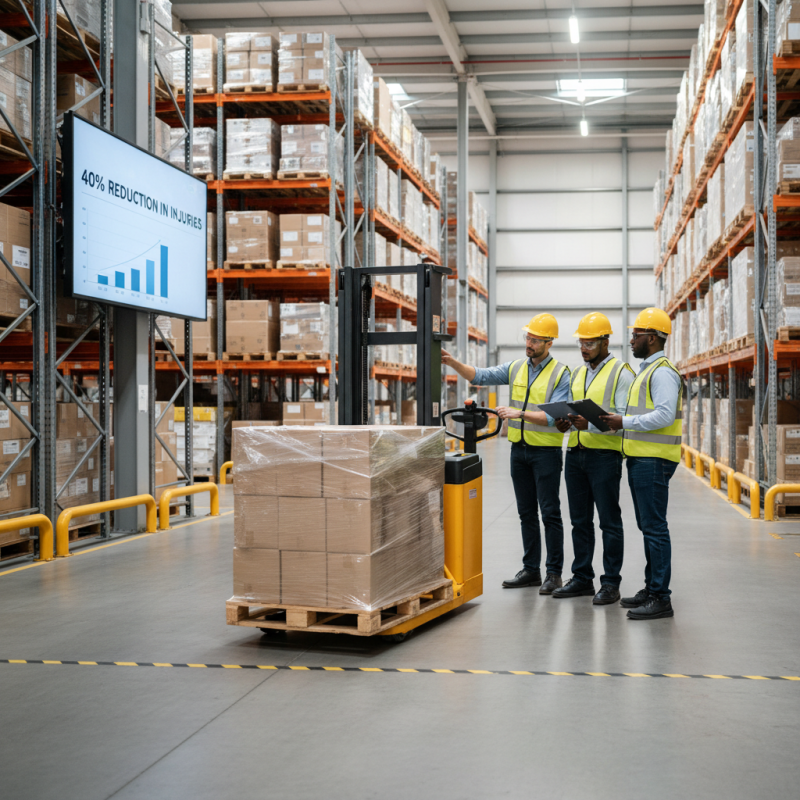
Operating a pallet stacker can seem straightforward, but safety training is essential. A pallet stacker is heavy equipment, and improper handling can lead to severe injuries. Training helps operators understand the machine's functions and limitations. It also educates them on how to identify hazards in the workplace. Operators must learn the correct posture and techniques to prevent accidents.
Safety training fosters a culture of awareness. It encourages operators to remain vigilant while using the stacker. An empty warehouse may seem safe, yet unseen risks can lurk. For example, an unmarked edge or a misplaced obstacle can easily cause accidents. Regular training sessions can remind operators about these hazards. They provide refreshed knowledge to help minimize risks.
Reflecting on mistakes made during training can enhance learning. Operators should examine past incidents to see what went wrong. Was it a lack of attention or a misunderstanding of the equipment? Identifying these gaps is crucial for improvement. A commitment to safety not only protects the operators but also safeguards others in the workplace.
In a warehouse environment, safety should always be a priority. Statistics indicate that improper use of equipment, such as pallet stackers, is a leading cause of injuries. More than 20% of warehouse injuries are linked to accidents involving material handling equipment. These injuries can lead to long-term consequences for workers and significant costs for businesses.
Safe operation of pallet stackers is crucial. Many operators lack formal training, which can contribute to accidents. Inexperienced users might underestimate their surroundings or miscalculate load limits. It’s essential to understand safety protocols before getting behind the controls.
Here are some tips for safer operation:
Pallet stackers are essential in warehouses and distribution centers. Understanding their design and functionality is crucial for safe operation. These machines come in various types, including manual and electric stackers. Each design caters to specific lifting and stacking needs. Familiarity with their control mechanisms enhances safety and efficiency.
Operating a pallet stacker requires a careful approach. The design typically includes forks for lifting pallets and a mast for elevation. Operators must know the maximum weight capacity and the stacker's height limit. Safety features, like automatic brakes, play a significant role in preventing accidents. However, neglecting regular maintenance can lead to malfunctions.
Operators often face challenges in tight spaces. Maneuvering requires practice. Misjudgments can result in drops or tip-overs, risking injuries. Regular training and assessments can help operators recognize potential hazards. By understanding their limitations and the stacker's capabilities, operators can improve safety and productivity in their work environment.
Operating a pallet stacker safely is crucial in the warehouse environment. Safety regulations and standards are established to protect workers. The Occupational Safety and Health Administration (OSHA) provides guidelines for equipment operation. Compliance with these regulations can reduce accidents and injuries.
Understanding the ANSI/ITSDF standards is essential. These standards apply to the design and operation of pallet stackers. According to the National Institute for Occupational Safety and Health (NIOSH), improper use can result in serious injuries. In 2020, approximately 90,000 injuries were reported from material handling incidents. Training helps workers recognize hazards and operate equipment correctly.
Workers should undergo certification processes. Expert trainers emphasize hands-on experience and theoretical knowledge. Regular refresher courses are beneficial. They help maintain skill levels and awareness of new safety protocols. It's critical to reflect on one's practices regularly. Ensuring safety in operations is not just about compliance; it’s about fostering a culture of awareness. Both operational guidelines and personal responsibility play vital roles in a safe working environment.
| Aspect | Details |
|---|---|
| Safety Training | Operators must undergo safety training that matches OSHA standards. |
| Inspection Protocols | Daily inspections of pallet stackers are required to ensure they are in safe working condition. |
| Load Capacity Guidelines | Operators must be aware of and adhere to the load capacity limits to avoid accidents. |
| Proper Stacking Techniques | Learn correct techniques for stacking to prevent items from falling. |
| Use of Personal Protective Equipment (PPE) | Wearing appropriate PPE like hard hats, gloves, and safety shoes is essential. |
| Emergency Procedures | Operators must be trained in emergency procedures related to pallet stacking incidents. |
Professional certification in pallet stacker operation offers significant advantages. It enhances safety and efficiency in warehouses. By understanding safety protocols, operators reduce the risk of accidents. These incidents can lead to injuries and damage to property. A certified operator commands respect from peers and supervisors. This recognition often leads to better job opportunities.
Certification entails comprehensive training. Trainees learn about stacker parts, functions, and safe maneuvers. They gain knowledge about load limits and balancing techniques, vital for safe operation. The certification process also emphasizes real-world scenarios. Operators practice handling various loads and navigating tight spaces. This hands-on experience boosts their confidence.
While certification is beneficial, it does require commitment. Training can be time-consuming, and some may find it challenging. Furthermore, operators must stay updated with safety regulations. The warehouse environment can change, and so do the rules. Regular refreshers are essential to maintain competency. Embracing continuous learning is key to being a successful pallet stacker operator.
: Safety protects workers and reduces the risk of accidents and injuries. Compliance with regulations is essential.
OSHA outlines safety recommendations for the safe operation of pallet stackers in warehouses.
Improper use can lead to serious injuries, with thousands reported annually due to material handling incidents.
It includes hands-on experience, theoretical knowledge, and understanding stacker parts and safe maneuvers.
Yes, regular refresher courses help maintain skill levels and awareness of new safety protocols.
Training can be time-consuming, and operators must stay updated with changing safety regulations.
Operators practice handling various loads and navigating tight spaces to boost confidence.
Certified operators gain respect from peers and may access better job opportunities in the warehouse sector.
Fostering a culture of awareness is crucial. Each worker must reflect on their safety practices regularly.
They must commit to continuous learning and adapting to changes in the warehouse environment.
Learning how to operate a pallet stacker safely is crucial for ensuring both personal safety and the safety of others in a warehouse environment. The importance of safety training for pallet stacker operators cannot be overstated, as improper equipment use contributes significantly to warehouse injuries. Statistics highlight the dangers associated with insufficient training, making it imperative for operators to understand the design and functionality of pallet stackers.
Moreover, compliance with key regulations and standards is essential to maintain a safe operating environment. Professional certification offers numerous benefits, equipping operators with the skills they need to handle pallet stackers effectively and safely. By prioritizing safety training and certification, warehouses can reduce injury risks and enhance overall efficiency in their operations.

DLI AutoLogix