Why You Should Learn How to Operate a Pallet Stacker Safely?

Time:2026-07-21 Author:Oliver
0%

Understanding how to operate a pallet stacker safely is crucial in today’s busy warehouses. Many accidents occur due to improper handling of this equipment. Workplace safety not only protects employees but also enhances productivity.

Effective training helps workers recognize hazards and reduce risks. Operators must learn the right techniques to stack and move pallets. Any small oversight can lead to serious accidents, affecting everyone involved. Safety protocols are not just rules; they are essential practices to ensure a secure work environment.

Investing time in learning how to operate a pallet stacker safely promotes a culture of accountability. Employees feel more confident and capable when they know how to handle equipment properly. This confidence can lead to better efficiency and morale at work. Therefore, prioritizing safety training is not merely beneficial; it is vital for every organization.
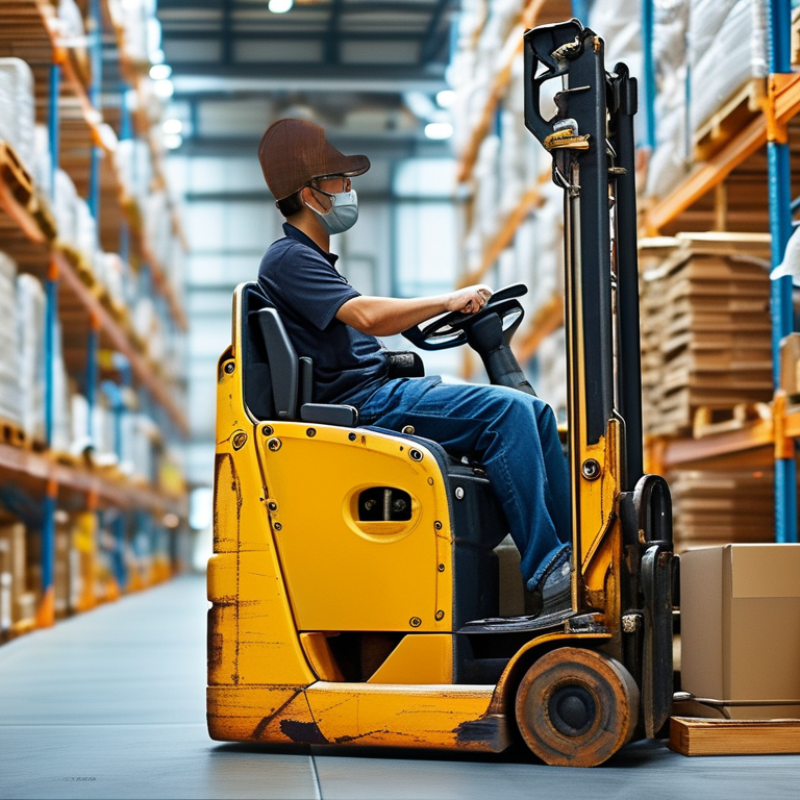
Why You Should Learn How to Operate a Pallet Stacker Safely?

Understanding the Importance of Pallet Stacker Safety Training

Pallet stackers are essential in warehouses and distribution centers. However, operating them comes with risks. Proper safety training is crucial. It minimizes accidents and injuries, protecting both workers and equipment. Many underestimate the importance of thorough training, thinking it’s a simple task. This mindset can lead to fatal mistakes.

Understanding the mechanics of a pallet stacker is vital. Operators need to know how to handle loads safely. Awareness of surroundings is equally important. Common issues arise when stackers are used in tight spaces or when visibility is limited. Operators should always keep a clear line of sight and utilize mirrors. Ignoring these basics can have serious consequences.

Safety training should cover not just operations but also emergency procedures. What if a stacker tips over? How should an operator respond? Creating awareness around potential hazards fosters a culture of safety. This can lead to better decisions on the floor, reducing incidents. Reflection on past mistakes is key. Continuous improvement in safety practices ensures a safer working environment for everyone.

Common Hazards Associated with Operating a Pallet Stacker

Operating a pallet stacker involves several hazards that workers must recognize. According to the Occupational Safety and Health Administration (OSHA), improper handling can lead to serious injuries. In fact, loading and unloading activities account for a significant percentage of workplace accidents. About 25% of these incidents are the result of falls, slips, or trips. These hazards can occur due to uneven surfaces or wet floors.

Another common risk is operator error. Data from the National Institute for Occupational Safety and Health (NIOSH) highlights that over 40% of pallet stacker accidents involve human factors. Distractions, lack of training, or fatigue can significantly affect performance. Operators might misjudge space or overlook other employees in a busy environment. Such oversights can lead to collisions, causing harm to both the operator and nearby workers.

Additionally, equipment maintenance is crucial. Poorly maintained stackers can malfunction, leading to accidents. According to industry reports, about 30% of fatal incidents occur due to equipment failure. Regular checks can identify issues before they lead to serious problems. It's essential to address these risks proactively to foster a safer workplace environment.

Why You Should Learn How to Operate a Pallet Stacker Safely? - Common Hazards Associated with Operating a Pallet Stacker

Hazard Description Preventive Measures
Tip-over A pallet stacker can tip over if overloaded or if operated on uneven surfaces. Always adhere to load limits and check the terrain before operating.
Collision Collisions with obstacles or other workers can cause injuries or property damage. Use a spotter in congested areas and maintain clear pathways.
Fork Injuries Improper use of forks can lead to puncture wounds or crush injuries. Ensure proper training in fork handling and never place hands near moving parts.
Overexertion Manual lifting and pushing can cause strains or sprains. Use proper lifting techniques and mechanical aids as needed.
Electrical Hazards Improper maintenance of electric pallet stackers can lead to shocks. Regularly inspect equipment and follow maintenance schedules.

Essential Safety Equipment and Gear for Operators

Operating a pallet stacker safely requires proper training and the right safety equipment. The U.S. Bureau of Labor Statistics reports that more than 2 million workers encounter heavy equipment injuries annually. This emphasizes the need for reliable protective gear for operators. Essential equipment includes helmets, high-visibility vests, and safety shoes with non-slip soles. Each item plays a crucial role in ensuring safety in the workplace.

Operators should also be equipped with personal protective equipment (PPE) like gloves and eye protection. Wearing appropriate PPE reduces the risk of injury from falling objects or accidents. Studies show that workplaces with proper safety gear see a 30% reduction in accidents. Training on the correct use of this equipment increases its effectiveness. Employers should stress the importance of inspecting gear regularly to ensure it remains functional.

Tip: Always conduct a pre-use inspection of your pallet stacker. Check for worn tires or malfunctioning brakes. Never ignore minor issues, as they may lead to significant problems later. Quality gear and thorough training help create a safer environment for everyone involved. Reducing risks begins with awareness and preparedness.

Importance of Safety Equipment for Pallet Stacker Operators

This chart illustrates the types of safety equipment used by pallet stacker operators and their importance in reducing workplace accidents.

Step-by-Step Guidelines for Safe Operation of a Pallet Stacker

Operating a pallet stacker requires specific training and adherence to safety protocols. According to the Occupational Safety and Health Administration (OSHA), improper use of these machines can lead to serious injuries, accounting for nearly 20% of workplace accidents in warehousing. Guidelines for safe operation can significantly reduce risks.

Before operating a pallet stacker, ensure thorough training. Workers should know how to inspect the equipment before use. A daily check helps identify any potential hazards. Operators need to be aware of their surroundings, maintaining a clear path to avoid collisions. Balancing loads is critical; an uneven stack can easily tip over.

While many workers may have experience, not all follow safety guidelines. Regular refresher courses can reinforce the importance of using personal protective equipment (PPE) like safety shoes and gloves. Moreover, companies should encourage an environment where workers feel comfortable reporting unsafe conditions. Continuous evaluation of operational practices can lead to improvements and a safer workplace.

Benefits of Becoming a Certified Pallet Stacker Operator

Becoming a certified pallet stacker operator opens doors to numerous career opportunities. This certification ensures you are skilled in operating this vital equipment safely. Employers value the expertise of certified operators. Your knowledge can lead to better job placement and higher salaries. It shows your commitment to workplace safety.

Certification also enhances workplace safety. With the right training, you can reduce accidents. This is crucial in busy environments like warehouses. Operators must understand weight limits and stacking techniques. Mismanagement can lead to injuries or damage. Proper training helps mitigate these risks.

There are challenges with becoming certified. Some may find the training process daunting. Others may struggle with the technical aspects of operating a pallet stacker. It's essential to address these weaknesses. Engaging in hands-on practice can build confidence. Seeking mentorship from experienced operators can also be beneficial. Overcoming these challenges only enhances your skills and marketability.

FAQS

: Why is safety training essential for pallet stacker operators?

: Safety training reduces accidents and injuries. Proper knowledge protects workers and equipment effectively.

What common issues do pallet stacker operators face?

Operators often struggle in tight spaces. Limited visibility can lead to accidents if not managed properly.

How can operators improve their awareness of surroundings?

Staying alert is vital. Using mirrors and keeping a clear line of sight helps ensure safety.

What should safety training include beyond operations?

Training should cover emergency procedures. Knowing how to react during incidents like a stacker tipping is crucial.

What are the benefits of becoming a certified pallet stacker operator?

Certification enhances job opportunities. It also indicates commitment to safety, leading to better placements and salaries.

What challenges do people face when becoming certified?

The training process can feel overwhelming. Some may find technical skills challenging, requiring extra effort.

How can operators overcome training challenges?

Engaging in hands-on practice builds confidence. Seeking mentorship from experienced operators can also provide guidance.

Can reflection on past mistakes improve safety practices?

Yes, reflecting on previous incidents fosters a culture of safety. This leads to better decision-making in the workplace.

What should operators do if they feel overwhelmed by training?

It's okay to acknowledge struggles. Taking small steps and breaking down the learning process can help.

What is the importance of understanding weight limits?

Knowing weight limits prevents injuries and equipment damage. This knowledge is essential for safe operations.

Conclusion

Learning how to operate a pallet stacker safely is crucial for both individual operators and overall workplace safety. The training emphasizes understanding the common hazards associated with pallet stackers, such as tipping, collisions, and operator error. Familiarity with essential safety equipment and appropriate gear can significantly reduce the risk of accidents and injuries.

Following step-by-step guidelines for safe operation is vital, ensuring operators handle machines with confidence and competence. Moreover, becoming a certified pallet stacker operator not only enhances personal skills but also contributes to a safer working environment. Ultimately, prioritizing safety training is an investment in the well-being of employees and the efficiency of operations.

Oliver

Oliver

Oliver is a seasoned marketing professional with a wealth of expertise in driving brand awareness and engagement. With a deep understanding of our company's product offerings, he consistently delivers high-quality content that enriches our professional blog. His insights not only shed light on......