Using drum handling equipment properly is essential for maintaining safety in industrial operations. This equipment can significantly reduce the risk of injuries and accidents. However, improper use can lead to serious consequences. Understanding how to use drum handling equipment properly ensures effective operation and aligns with safety standards.
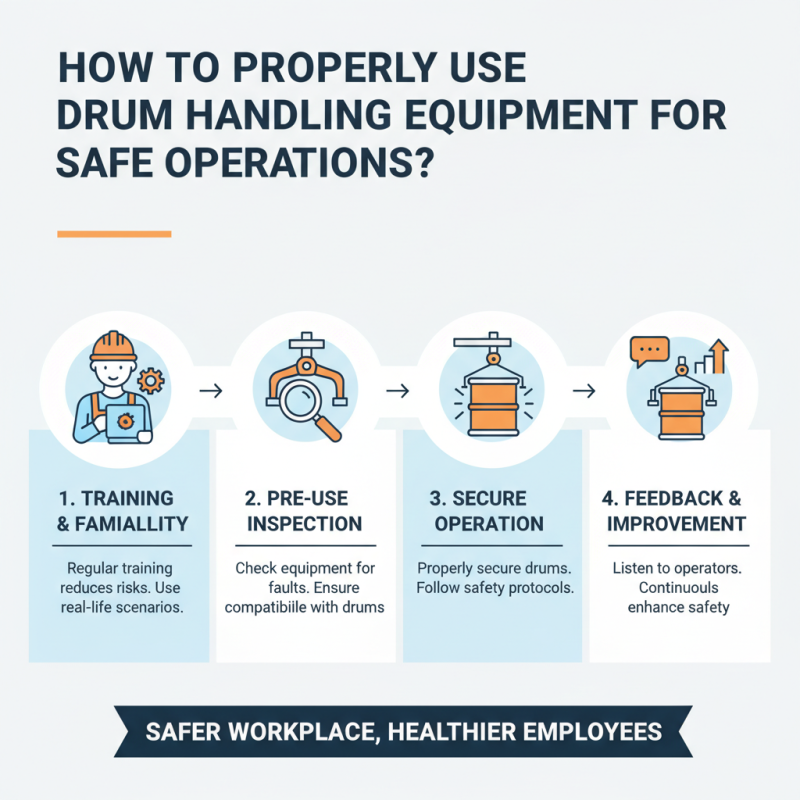
In any workplace, accidents can happen. Operators must recognize the importance of training and familiarity with the tools at their disposal. Many do not realize how a simple misstep can cause injuries. Therefore, regular training sessions are crucial. Real-life scenarios can help visualize potential risks and reinforce safe practices.
Attention to detail is key. A thorough inspection of drum handling equipment before use can prevent unexpected failures. Additionally, ensuring that the equipment fits the specific drums being handled can enhance stability. Listening to feedback from operators also helps identify areas that need improvement. By following these principles, companies can create a safer working environment that prioritizes the well-being of their employees.
Drum handling equipment plays a crucial role in industries that deal with heavy materials. Understanding the different types of equipment is essential for safety and efficiency. Common types include drum dollies, drum lifters, and drum rollers. Each serves a specific purpose and enhances the handling process.
Drum dollies are low-profile carts designed for easy transport of drums across flat surfaces. They simplify moving drums, reducing the risk of injury. Drum lifters are useful for raising and lowering drums onto shelves or platforms. When using drum lifters, keep the load balanced to avoid accidents. Drum rollers allow users to tilt and roll drums, making it easy to pour or dispense materials.
Tips for safe operations include always checking the weight capacity before use. Ensure the equipment is in good condition and lubricate moving parts as necessary. Users should be trained on proper techniques to handle drums. Overconfidence can lead to mistakes, so stay vigilant and take breaks to reassess the situation. Remember, safety is everyone's responsibility.
| Equipment Type | Description | Safety Features | Best Practices |
|---|---|---|---|
| Drum Dolly | Wheeled platform for moving drums. | Low center of gravity, non-slip surface. | Always load drums evenly, keep load within weight limits. |
| Drum Lifter | Mechanical device to lift and secure drums. | Safety locks, adjustable grips. | Check functionality before use, ensure load stability. |
| Drum Handler | Hydraulic or mechanical machines for managing multiple drums. | Hydraulic brakes, overload protection. | Follow load limits, conduct routine maintenance checks. |
| Drum Roller | Machine used for rotating drums for mixing or dispensing. | Emergency stop buttons, adjustable speed settings. | Secure the drum properly, monitor speed during operation. |
: Inspect equipment, ensure weight capacity, and train personnel on hazards. Regular audits can remind the team of safety protocols.
Over 30% of accidents relate to improper drum handling. Lack of training and awareness raises risks significantly.
Accidents often arise from faulty equipment. Regular checks can catch damage and ensure operational efficiency before use.
Gloves, helmets, and steel-toed boots are vital. Neglecting PPE can increase injury rates; strict enforcement can reduce accidents.
Bend your knees, keep your back straight, and stay close to the drum. Don’t rush; ask for help if a drum is too heavy.
30% of accidents stem from equipment failure. Regular checks can prevent malfunctions and costly workplace incidents.
Inspect straps and hooks for wear, and check for corrosion. A cracked drum hoist can lead to serious accidents.
It informs workers of risks. However, only 40% receive training, indicating a need for better education and awareness.
Seek assistance if the drum is too heavy. Rushing can result in mistakes, jeopardizing safety for everyone involved.
Inadequate maintenance is linked to 25% of incidents. Routine inspections can mitigate risks and enhance safety outcomes.
To ensure safe operations, it is crucial to understand how to use drum handling equipment properly. The first step involves familiarizing oneself with the various types of drum handling equipment and their specific uses, as each piece of equipment is designed for certain tasks. Prior to usage, it is essential to adhere to safety precautions, which include wearing appropriate personal protective equipment and conducting thorough pre-operation checks.
Once equipped and prepared, operators should apply proper techniques for lifting and transporting drums, maintaining ergonomic practices to prevent injury. Regular maintenance and inspection of the equipment are vital for ensuring its functionality and safety. Lastly, providing training for all operators and fostering best practices are key to minimizing accidents and promoting a culture of safety in the workplace. By following these guidelines, the effective and safe use of drum handling equipment can be achieved.

 DLI AutoLogix