How to Select Equipment for Small Warehouse Spaces Efficiently?

Time:2026-06-27 Author:Madeline
0%

In a world where efficient storage is crucial, knowing how to select equipment for small warehouse spaces can significantly impact operations. Choosing the right tools and equipment requires a careful balance of functionality and space efficiency. Whether it's shelving, forklifts, or storage bins, each piece of equipment must enhance workflow and maximize storage capabilities within a limited area.

Many underestimate the challenges posed by small warehouse spaces. Limited room means every choice counts. Opting for versatile, modular equipment can convert tight spaces into efficient storage solutions. Emphasizing quality and durability is vital. Subpar equipment can lead to increased costs over time and operational disruptions.

Reflecting on past experiences can guide future decisions. Mistakes, such as overestimating space or selecting incompatible equipment, offer valuable lessons. Each warehouse has unique needs, and a one-size-fits-all approach often fails. Therefore, a thoughtful assessment of both current requirements and future growth is essential for a sustainable solution.
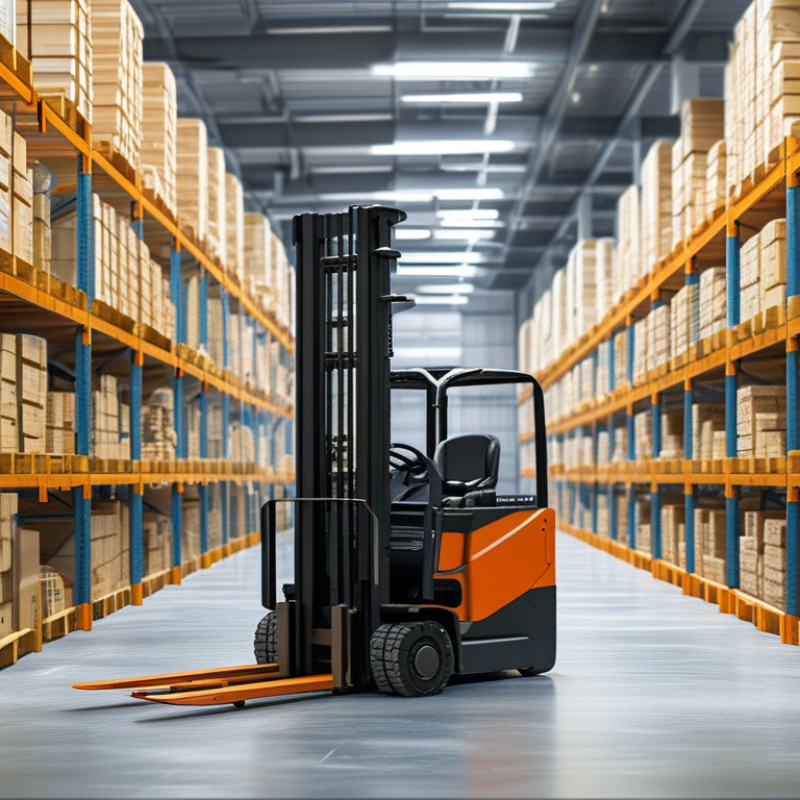
How to Select Equipment for Small Warehouse Spaces Efficiently?

Understanding the Needs of Your Small Warehouse Space

Understanding the needs of a small warehouse space is crucial for efficient operation. According to a recent industry report, nearly 65% of small warehouses lack proper layout planning. This oversight can lead to inefficiencies, affecting overall productivity. Analyze the space available. Is it more beneficial to have a vertical storage system? Or perhaps adjustable shelving? Many small warehouses utilize about 30% of their vertical space. Maximizing this area can yield significant benefits.

Space constraints often lead to challenges in inventory management. A study indicated that 40% of small business owners face difficulties in tracking stock levels. To overcome this, consider implementing a simple inventory management system designed for smaller operations. This system should allow for easy stock monitoring and reordering. Real-time data access helps to minimize errors.

Furthermore, invest in ergonomic equipment tailored for your space. Compact forklifts or hand trucks can be effective. Reports show that improper handling tools lead to about 18% of workplace injuries in warehouses. Assessing the specific needs of your space, along with equipment that aligns with those requirements, plays a key role in safety and efficiency. Not all solutions work for every warehouse. Reflecting on your unique circumstances is essential for long-term success.

Evaluating Space Constraints and Layout Options

When evaluating space constraints in small warehouses, measuring the available area is essential. Accurate measurements help in understanding how to maximize every square foot. An industry report by the Warehousing Education and Research Council (WERC) notes that over 30% of warehouses face inefficiencies due to poor layout choices. Therefore, a clear plan is vital.

Examining layout options can greatly enhance workflow efficiency. Utilize vertical space through shelving or racking systems. This strategy can increase storage capacity by up to 50%, according to the Material Handling Industry of America. However, some setups may lead to congestion. It's crucial to avoid overcrowding aisles, which can hinder movement and safety.

Consider the types of equipment needed for specific tasks. Forklifts, pallet jacks, and conveyors can all improve efficiency, but their placement must align carefully with the layout. Also, be aware that not all equipment will fit every layout effectively. Continuously reassessing the layout and equipment will ensure the warehouse adapts to changing needs.

Identifying Essential Equipment Types for Efficiency

When equipping a small warehouse space, efficiency is the key. Understanding essential equipment types can greatly impact operational performance. According to a report by Warehouse Efficiency Dynamics, optimizing equipment selection results in up to 30% productivity gains in warehousing operations. Critical equipment includes shelving units, forklifts, and conveyor systems. Each choice should prioritize both space efficiency and functionality.

Space-saving shelving not only maximizes vertical space but also enhances access to goods. Forklifts are essential for heavier loads but may require careful training to ensure safety. A recent study indicates that mishandling equipment can lead to accidents, highlighting the need for operator training. For smaller items, consider automated storage solutions to streamline processes.

Tip: Think about equipment versatility. Dual-purpose items can save space and costs. Investing in modular shelving allows for adaptability as inventory changes. Ensure safety protocols are in place to mitigate risks associated with equipment use. Regularly reassess your equipment needs to better meet changing operational demands. This reflection can uncover areas for improvement, enhancing overall warehouse productivity.

Essential Equipment Types for Small Warehouse Spaces

This bar chart illustrates the essential types of equipment necessary for optimizing the efficiency of small warehouse spaces. The quantities represent the typical required amount for each equipment type to maintain an effective workflow.

Comparing Equipment Size, Capacity, and Versatility

When selecting equipment for small warehouse spaces, evaluating size, capacity, and versatility is crucial. Industry reports indicate that 70% of small warehouses struggle with space optimization. To maximize utility, the equipment must fit comfortably without overcrowding. Equipment like compact shelving and stackable bins can significantly alter storage capacity. These devices allow for improved organization, thereby increasing efficiency.

Capacity should not just focus on the number of items stored. It’s essential to consider weight limits and the frequency of item movement. Reports show that warehouses with versatile equipment, like adjustable shelving units, can increase productivity by 30%. This flexibility is necessary to adapt to varying inventory needs. However, selecting equipment based solely on capacity may lead to misjudgments about actual usage.

Versatility is key. A piece of equipment that serves multiple functions can save valuable space. For example, mobile shelving units can be rearranged to accommodate different operations. A mistake would be choosing stationary units that limit access. Space constraints often lead to poor choices. Investing in modular equipment can alleviate this problem. It allows for future adaptations without extensive redesign.

How to Select Equipment for Small Warehouse Spaces Efficiently?

Equipment Type Size (L x W x H in ft) Capacity (lbs) Versatility
Pallet Jack 4 x 2 x 3 5000 High
Forklift 6 x 4 x 8 8000 Medium
Shelving Units 3 x 1 x 6 2000 High
Conveyor Belt 10 x 2 x 3 1000 Medium
Delivery Carts 3 x 2 x 3 300 High

Implementing Cost-Effective Solutions for Small Warehouses

Selecting the right equipment for small warehouses can be challenging. Space optimization is crucial. Cost-effective solutions help maximize storage without sacrificing efficiency. Consider shelving systems that leverage vertical space. Heavy-duty racks can hold various products while maintaining accessibility. Use adjustable shelving to accommodate different item sizes.

It's important to analyze your specific needs. Evaluate how often items are accessed. High-frequency items should be placed within easy reach. Utilize compact mobile storage units. They can be moved to create additional space when needed. Incorporate designated zones for particular goods to streamline operations.

Emphasizing multifunctional equipment can also enhance functionality. For example, foldable tables can serve multiple purposes. They save space when not in use. Regularly reassessing your setup can reveal areas for improvement. Analyzing workflow will help identify bottlenecks in your storage. Implementing these strategies ensures a more efficient and cost-effective warehouse operation.

FAQS

: How can I maximize space in a small warehouse?

: Measure the area accurately to understand how to optimize every square foot.

What layout options can improve workflow?

Utilize vertical space with shelving systems, increasing storage capacity significantly.

What types of equipment are essential for efficiency?

Critical equipment includes shelving units, forklifts, and conveyor systems to boost performance.

Why is equipment placement important?

Proper equipment placement avoids congestion and ensures safe movement within the warehouse.

How can I save costs in warehousing?

Use adjustable shelving and multifunctional equipment to maximize space without losing efficiency.

What should I consider when evaluating equipment?

Think about versatility and functionality to ensure it meets changing operational needs.

How often should I reassess my warehouse layout?

Regular assessments help identify bottlenecks and areas for improvement in the setup.

What safety measures should I implement?

Ensure training for equipment operators to prevent accidents and improve safety protocols.

How can I streamline operations in my warehouse?

Designate zones for specific goods and place high-frequency items within easy reach to enhance access.

What is the benefit of using mobile storage units?

Mobile units can create additional space as needed, adapting to changing inventory requirements.

Conclusion

When considering how to select equipment for small warehouse spaces, it is essential to first understand the specific needs of your operations. This involves evaluating space constraints and layout options to ensure optimal use of the area. Identifying essential equipment types is crucial for maximizing efficiency, with an emphasis on comparing the size, capacity, and versatility of various options.

Additionally, implementing cost-effective solutions can enhance functionality without overspending. By thoughtfully assessing these factors, businesses can successfully equip their small warehouse spaces, making them both efficient and productive while adhering to budgetary constraints.

Madeline

Madeline

Madeline is a dedicated marketing professional with a wealth of expertise in our company's core offerings. With a keen understanding of the industry, she brings a unique perspective to her role, consistently delivering high-quality content that highlights the superior aspects of our products. As......