Top 10 Factors Impacting Warehouse Logistics Efficiency?

Time:2026-06-01 Author:Liam
0%

Warehouse logistics efficiency is a critical component for businesses striving to maintain a competitive edge. In a recent study by Logistics Management, nearly 75% of warehouse operators reported that improving efficiency directly impacts their bottom line. Yet, many still grapple with the question: what factors affect warehouse logistics efficiency?

Key elements such as technology adoption, workforce training, and inventory management play pivotal roles. Research from the Warehousing Education and Research Council notes that automating just 20% of warehouse tasks can lead to productivity gains of up to 50%. However, many facilities struggle with outdated systems that hinder progress.

Furthermore, a well-trained workforce can dramatically reduce errors and improve service levels. A survey by the Material Handling Institute emphasizes that training programs increase employee retention by 50%. Reflecting on these insights reveals opportunities to enhance operations. However, organizations must confront the challenges of implementation and adaptation in an ever-evolving landscape. Understanding and addressing these factors can lead to significant improvements in warehouse logistics efficiency.
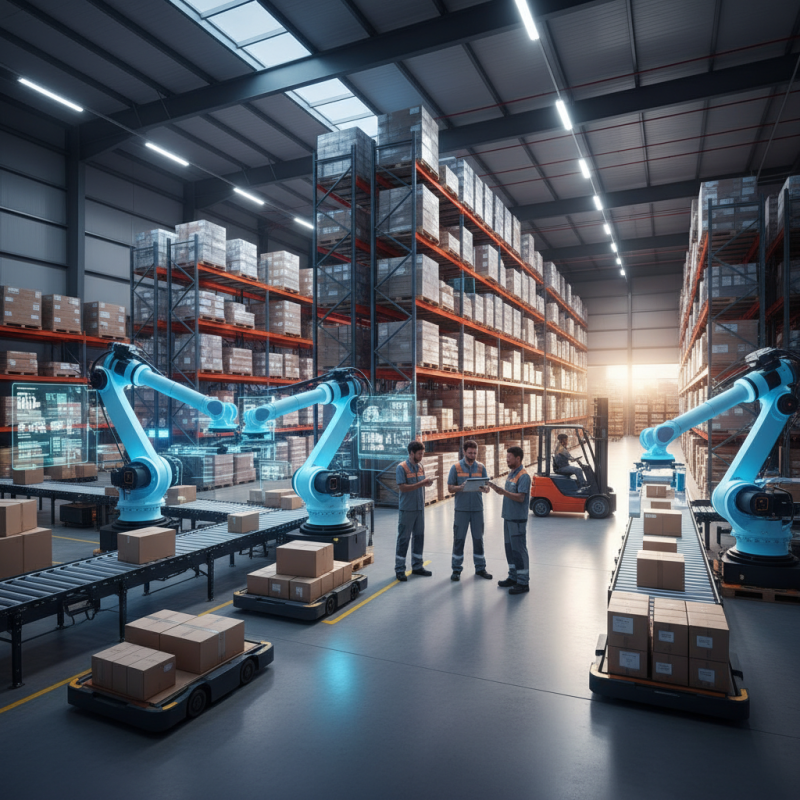
Top 10 Factors Impacting Warehouse Logistics Efficiency?

Warehouse Design and Layout Optimization

Warehouse design and layout optimization plays a crucial role in enhancing logistics efficiency. A well-thought-out layout can significantly reduce the time required for picking and storing items. By arranging goods in a logical flow, employees can navigate the warehouse with ease. This streamlined movement decreases labor costs and minimizes errors.

Effective layout design should consider factors like storage methods and product types. For example, heavy items need to be placed near loading docks for efficient access. Additionally, clear signage and organized aisles help prevent confusion. However, many facilities still struggle with outdated designs. This can lead to wasted space and inefficient order fulfillment.

Incorporating technology can also improve warehouse layouts. Automated systems can optimize space usage and enhance accuracy in sorting. Nonetheless, relying too heavily on tech can create dependency. Balancing automation with human oversight is key. Continuous assessment of the layout is necessary to adapt to changing inventory needs. Thus, optimizing warehouse design is an ongoing process that requires both strategic planning and flexibility.

Inventory Management Best Practices

Effective inventory management is crucial for enhancing warehouse logistics efficiency. According to a McKinsey report, companies can cut logistics costs by up to 15% with precise inventory practices. This improvement stems from better stock visibility and accurate demand forecasts. Utilizing inventory management software facilitates real-time tracking of stock levels, minimizing overstock and stockouts.

Implementing best practices is essential. Regularly auditing inventory helps identify slow-moving items. This process enables companies to optimize their stock levels and reduce unnecessary carrying costs. Moreover, adopting just-in-time (JIT) inventory systems can further improve efficiency. JIT systems reduce warehouse space needs and excess inventory, ultimately leading to considerable savings.

Tips: Keep inventory data transparent. Foster communication between teams for better alignment. Conduct training sessions on inventory practices to enhance employee competence. Consider using RFID technology for improved stock tracking, securing your competitive edge.

Technology Integration in Warehouse Operations

Technology is revolutionizing warehouse logistics. From automation solutions to data analytics, integrating technology improves efficiency significantly. Advanced software systems streamline inventory management. Real-time tracking enhances visibility across operations. This creates a more responsive supply chain.

A helpful tip is to assess your current technology stack. Identify gaps and explore tools that fit your needs. Implementing a warehouse management system can provide insights into workflows. Additionally, consider automated guided vehicles for repetitive tasks. This reduces manual labor and speeds up processes.

Regular staff training is crucial. As technology evolves, your team must adapt. Encourage feedback to understand challenges they face. This helps refine your systems and boosts morale. Remember, not every solution works for every warehouse. Evaluate effectiveness continuously and be open to adjustments for better results.

Workforce Training and Efficiency Improvements

Workforce training is crucial for improving warehouse logistics efficiency. A well-trained team can significantly reduce errors and speed up operations. Employees who understand their roles and responsibilities are more confident. This translates into better decision-making and fewer mistakes. The right training programs can equip workers with vital skills, making them more versatile in their tasks.

Investing in training also promotes a culture of continuous improvement. When workers feel supported, they are more likely to suggest better practices. Regular workshops or hands-on sessions help to reinforce knowledge and address any gaps. However, it can be challenging to keep all employees engaged. Some may feel overwhelmed by new concepts, making it essential to tailor training methods to individual needs.

Regularly assessing training effectiveness is key. Are employees applying what they've learned? Are efficiency metrics improving? Gathering feedback can reveal areas needing adjustment. Sometimes, even the best training may not yield results if the application is inconsistent. Addressing these challenges openly can lead to a more engaged and efficient workforce.

Supply Chain Collaboration and Communication Strategies

Effective communication and collaboration are vital for optimizing warehouse logistics efficiency. According to a recent report by the Council of Supply Chain Management Professionals (CSCMP), poorly coordinated supply chain activities can lead to a staggering 30% increase in operational costs. This statistic highlights the need for businesses to enhance their collaborative strategies.

Investing in modern communication tools can bridge the gap between departments. A study by McKinsey found that better collaboration increases productivity by up to 25%. Utilizing cloud-based platforms allows real-time data sharing. As a result, teams can respond quickly to changes in demand. However, not all organizations are fully leveraging these tools. Some still depend on outdated communication methods, which hinder progress.

Training and empowering staff plays a crucial role too. A lack of clear direction can create confusion. A 2022 report noted that 40% of warehouse employees felt uncertain about their roles. This impacts overall efficiency and raises error rates. Encouraging open dialogue can foster trust and accountability among team members. Stronger relationships lead to smoother operations and fewer disruptions.

FAQS

: Why is inventory management important?

: It enhances warehouse logistics and can cut costs by up to 15%. Better stock visibility is key.

How can a company reduce carrying costs?

Regular inventory audits can help identify slow-moving items. This enables optimization of stock levels.

What is just-in-time (JIT) inventory?

JIT reduces excess inventory and saves warehouse space. It aims for efficiency and cost reduction.

How can workforce training impact logistics?

Well-trained teams reduce errors and speed up operations. Confidence in roles leads to better decision-making.

What are challenges in employee training?

Some employees may feel overwhelmed. Tailoring methods to individual needs is essential for engagement.

How can a company measure training effectiveness?

Assess whether employees apply learned skills. Monitor efficiency metrics and gather feedback for adjustments.

Why is communication crucial in supply chain management?

Poor coordination can increase operational costs by 30%. Effective communication optimizes logistics efficiency.

What tools can improve supply chain collaboration?

Modern communication tools and cloud-based platforms allow real-time data sharing for better responsiveness.

What impact does employee uncertainty have?

A lack of clear direction can raise error rates. Open dialogue fosters trust and enhances efficiency.

How can companies promote a culture of improvement?

Regular workshops encourage suggestions and reinforce knowledge. Supportive environments boost motivation and engagement.

Conclusion

The efficiency of warehouse logistics is influenced by several critical factors that optimize operations and reduce costs. Key among these are warehouse design and layout optimization, which ensures that the space is utilized effectively, facilitating smoother movement of goods. Additionally, implementing best practices in inventory management helps streamline the flow of products, reducing excess stock and improving order fulfillment times.

Furthermore, the integration of technology in warehouse operations plays a vital role in automating processes and enhancing accuracy. A well-trained workforce is essential for executing tasks efficiently, while continuous training programs can significantly boost productivity. Finally, fostering collaboration and effective communication within the supply chain enhances coordination among all stakeholders. Understanding what factors affect warehouse logistics efficiency allows organizations to implement targeted strategies for continuous improvement and optimized performance.

Liam

Liam

Liam is a dedicated marketing professional with a profound expertise in the industry, where he excels at highlighting the unique advantages of our core products. With a keen understanding of market trends and consumer needs, Liam frequently updates our company’s professional blog, providing......