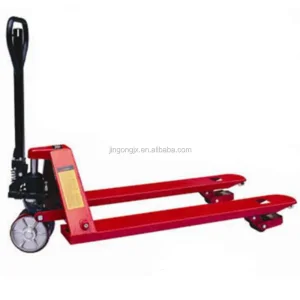
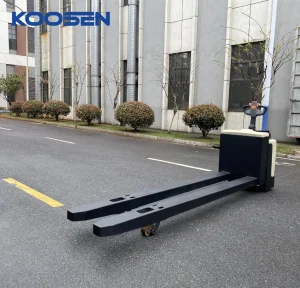
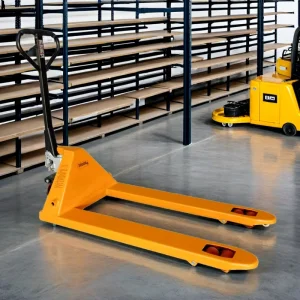
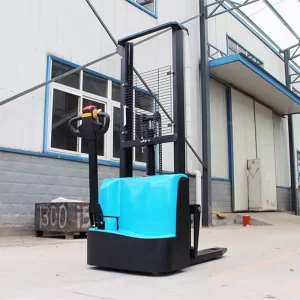
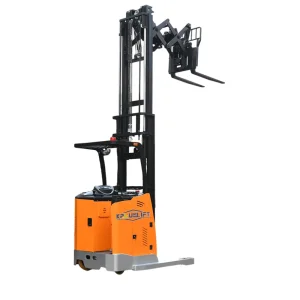
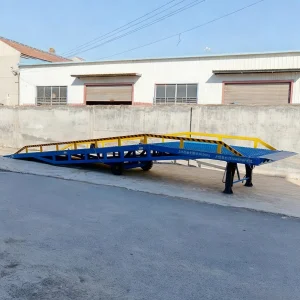
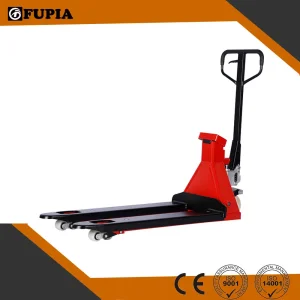
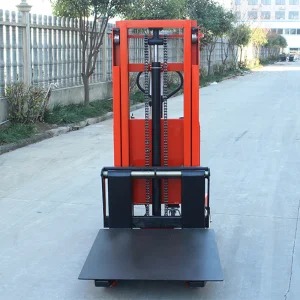
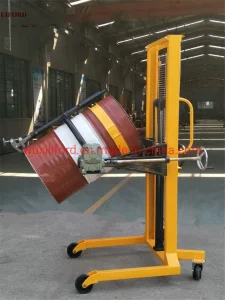
Explore DLI AutoLogix’s high-precision equipment engineered for warehouse scaling, docking logistics, and structural transport optimization.
The global industrial landscape is undergoing a structural transition. Rapid urbanization, the exponential rise of global e-commerce, and the integration of automated warehousing solutions have placed immense pressure on spatial optimization. Horizontal expansion of warehouses is no longer economically viable in dense logistics corridors, prompting enterprises to transition toward multi-level vertically optimized hubs. Consequently, the reliance on high-capacity Electric Cargo Lifts, hydraulic freight elevators, and heavy-duty stacker systems has increased dramatically.
Electric cargo lifts represent the technological vanguard of this spatial transition. Unlike traditional combustion engine material handling equipment, electric units utilize advanced AC motors, regenerative braking, and variable frequency drives (VFD) to offer high payload capabilities, minimal environmental footprint, and exceptional reliability. Industrial operators worldwide are replacing mechanical rope systems with heavy-duty hydraulic guides and electric systems due to their precise positioning, redundant safety mechanisms, and compatibility with modern Automated Guided Vehicles (AGVs) and warehouse management software (WMS).
Recognized as a powerhouse among elite Chinese manufacturers, Shenzhen DLI AutoLogix Co., Ltd. is a professional warehouse equipment supplier specializing in the design, manufacturing, and global export of high-grade pallet trucks, pallet stackers, tail lifts, and loading ramp systems. The company is committed to providing efficient, reliable, and cost-effective material handling solutions for modern logistics, warehousing, and industrial operations.
With a strong focus on innovation and quality, DLI AutoLogix integrates advanced engineering with practical design to ensure its equipment delivers excellent performance, durability, and safety. Its comprehensive product range is widely used in warehouses, distribution centers, manufacturing facilities, ports, and retail logistics environments, helping businesses improve operational efficiency and reduce labor costs.
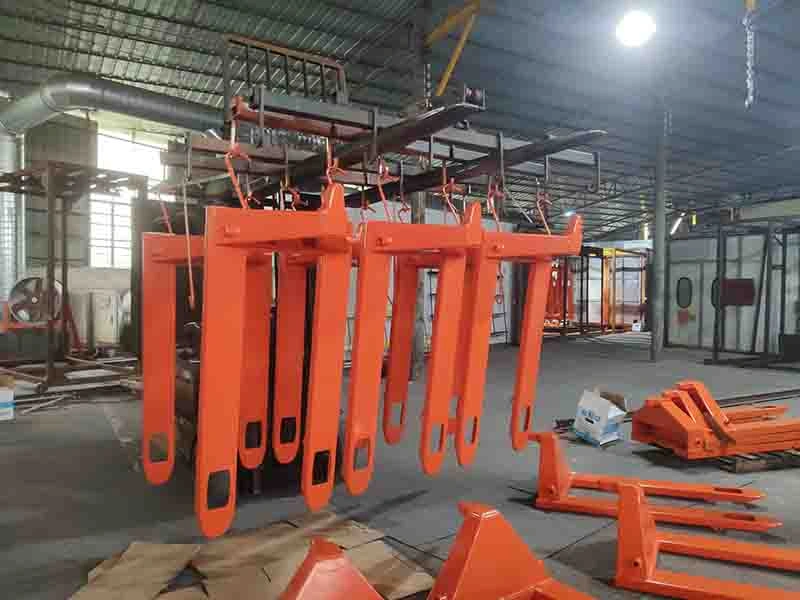
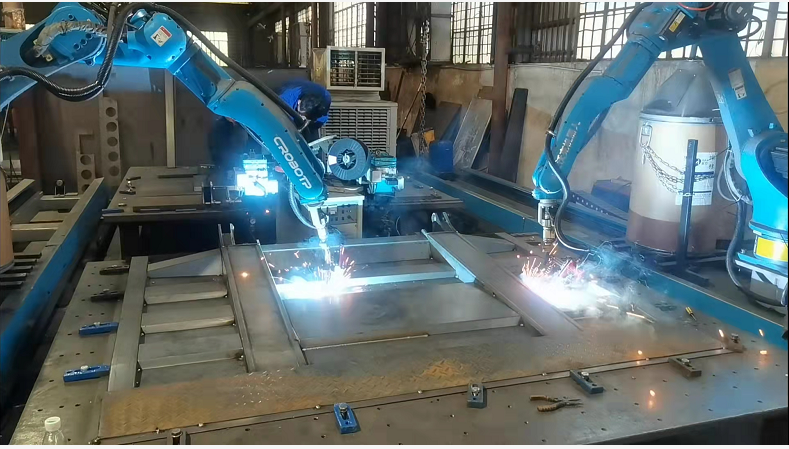
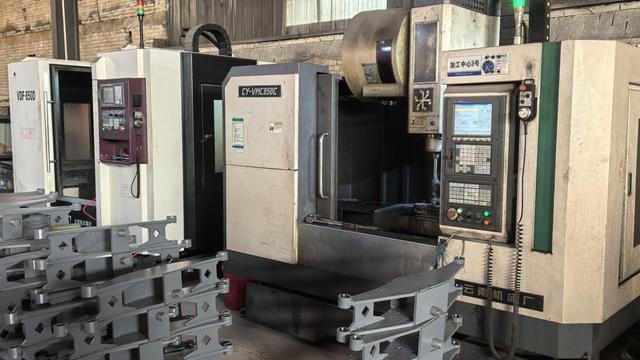
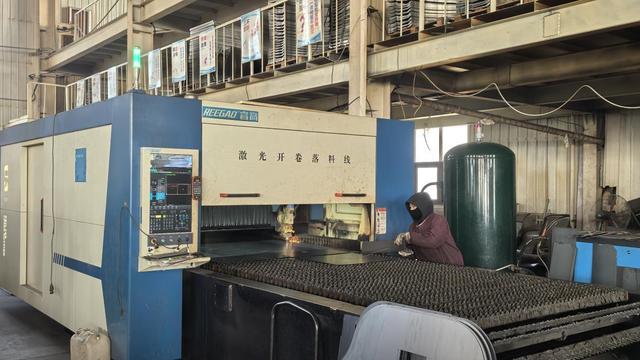
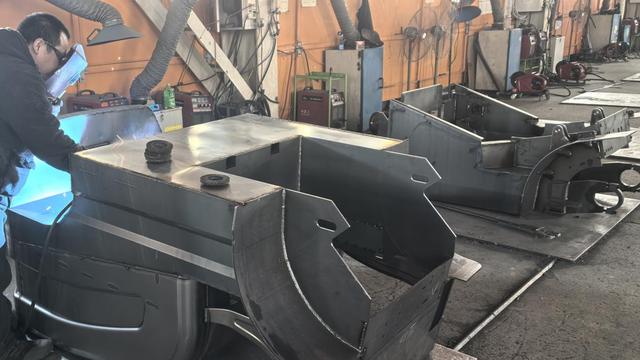
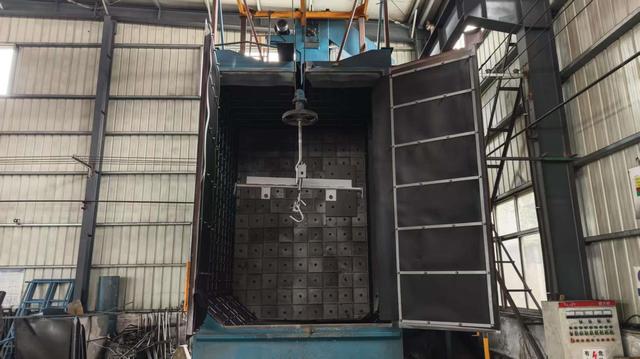
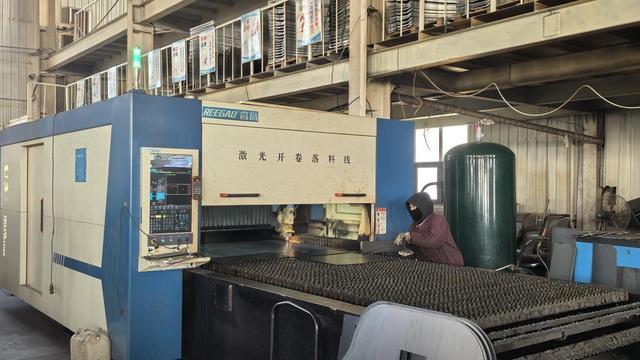
Driven by a customer-centric approach, DLI AutoLogix provides comprehensive support including technical consultation, product selection guidance, and after-sales service. By leveraging structural FEM analysis, automated laser cutting, and robotic welding stations, DLI AutoLogix ensures that every piece of machinery exhibits structural integrity under extreme load scenarios.
Shenzhen DLI AutoLogix Co., Ltd. continues to expand its global presence by delivering dependable warehouse equipment solutions that enhance productivity, safety, and overall logistics performance for customers worldwide.
When evaluating suppliers for electric cargo lifts and heavy-duty materials handling machinery, China-based manufacturers like Shenzhen DLI AutoLogix represent an unparalleled combination of efficiency, technology, and economic feasibility. The global industrial market is increasingly relying on the strength of Chinese manufacturers for several core reasons:
Chinese industrial hubs integrate raw steel sourcing, precision hydraulic valve manufacture, advanced electric motor production, and electronics engineering within a 50km radius. This drastically cuts lead times and allows rapid prototyping compared to Western counterpart clusters.
Tier-1 Chinese factories employ advanced computer-aided design (CAD), Finite Element Method (FEM) stress analysis, and automated testing rigs. Every cargo lift structural member, hydraulic pump assembly, and weld point is subjected to non-destructive ultrasonic testing.
Instead of forcing buyers into rigid catalog models, Chinese engineering design departments offer tailored adjustments. From custom platforms, unique safety gates, variable voltage motors, to specialized control systems, adaptability is treated as a standard deliverable.
Electric cargo lifts and auxiliary warehouse machinery are utilized across diverse industries, each requiring specific design characteristics to manage different environmental stresses and payload dynamics.
In modern logistics terminals, speed and uptime are critical. Integrated electric pallet stackers and cargo lifts facilitate rapid vertical movement of consolidated goods between high-density mezzanine storage levels and ground shipping bays. They prevent traffic congestion at primary freight docks and ensure continuous throughput.
Automotive assembly plants and heavy engineering hubs rely on hydraulic dock ramps and heavy lift configurations to feed heavy sub-assemblies directly onto elevated conveyor systems. Precision leveling and anti-sway features prevent damage to sensitive electronics and calibrated machinery parts.
Temperature-controlled environments demand zero-emission operations. Electric-powered machinery prevents toxic fumes and grease emissions associated with diesel equipment. Furthermore, custom models employ low-temperature resistant oils and specialty seals to work seamlessly inside deep-freeze compartments down to -30°C.
The future of vertical freight logistics revolves around automation, green energy integration, and predictive intelligence. Procurement teams must understand these shifts to prevent purchasing systems that risk obsolescence.
Modern lifts are equipped with smart sensor matrices that monitor motor temperature, hydraulic pressure, structural fatigue, and cycle counts in real time. This allows facility operators to perform predictive maintenance before failures occur, reducing unplanned downtime by up to 80%.
Transitioning from traditional lead-acid batteries to lithium iron phosphate (LiFePO4) chemistry represents a paradigm shift. Lithium-ion tech offers rapid opportunity charging, longer operational cycles, zero maintenance, and a significantly smaller carbon footprint over a 10-year lifespan.
Cargo lifts are no longer standalone units. Modern systems feature open API control boards that interface with AGVs (Automated Guided Vehicles) and AMRs (Autonomous Mobile Robots). The lift communicates with the robot wirelessly, calling the platform, opening doors, and completing vertical transitions without human intervention.
Procuring an industrial-grade electric cargo lift or pallet stacker is a major capital investment. Making decisions based solely on the purchase price often leads to high maintenance costs, safety issues, and operational bottlenecks. B2B buyers should evaluate projects using the following rigorous checklist:
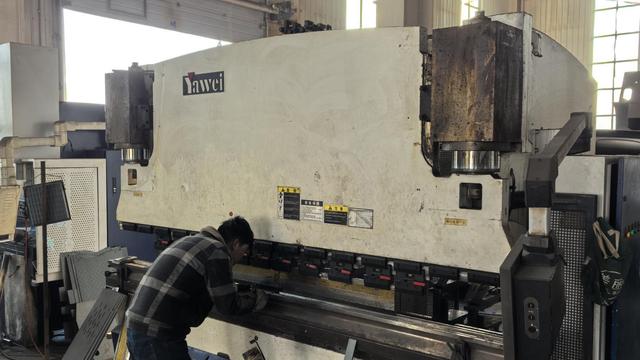
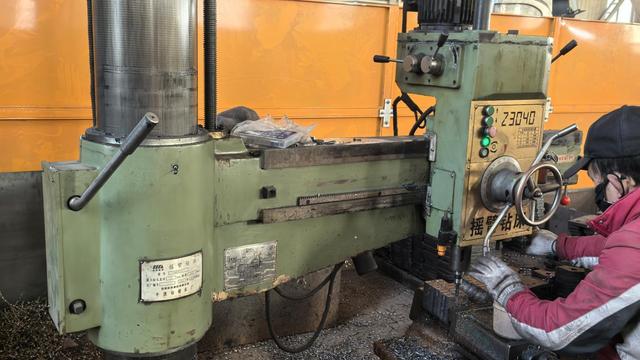
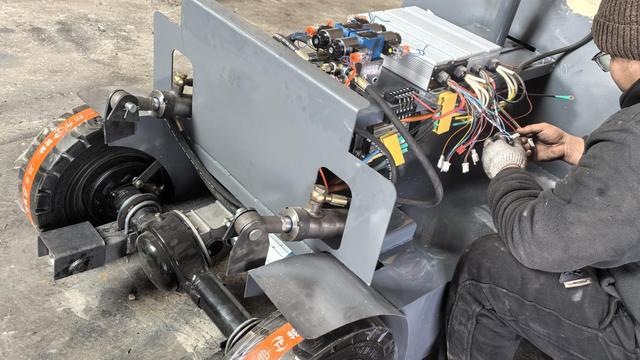
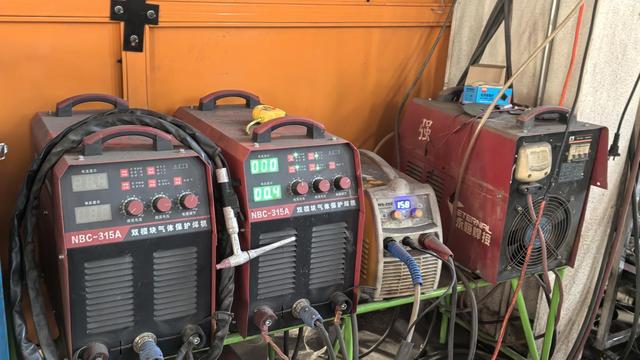
In compliance with Google’s E-E-A-T guidelines, demonstrating real engineering and design facilities is vital to proving production capacity. Below is an inside look at the structural assembly, quality testing, and component logistics areas of Shenzhen DLI AutoLogix Co., Ltd.
Find authoritative answers to technical engineering and procurement questions regarding cargo lifts, dock levelers, and electric pallet trucks.
Guide rail cargo lifts utilize high-tensile H-beams and dual hydraulic cylinders connected via chains to lift payloads vertically. They have a compact footprint, a low minimum clearance height (requiring minimal pit excavation), and are ideal for multi-floor transitions.
Scissor lifts utilize intersecting steel supports that expand and contract. While they offer excellent stability under heavy loads, they require a larger installation footprint and deep pits to lie flush with the ground level when collapsed.
Standard configurations typically take 15 to 20 business days to manufacture, test, and package. Custom projects requiring structural modifications (such as extended mast heights, specialized forks, or unique power systems) generally take 30 to 45 days. Transit times vary depending on the destination port, typically ranging from 12 days to the West Coast of the US to 35 days to European shipping ports.
To comply with CE and OSHA requirements, a reliable cargo lift must feature:
Lithium iron phosphate (LiFePO4) batteries charge up to four times faster than lead-acid batteries and support "opportunity charging" during lunch breaks without damaging the battery capacity. They do not release harmful gases during charging, require no maintenance, and last 3,000+ full charging cycles compared to the 500-800 cycles typical of lead-acid options. This reduces the total cost of ownership by up to 50% over the life of the machine.
Yes, they can be configured for outdoor use. For coastal ports or outdoor loading bays, manufacturers like DLI AutoLogix use specialized polyurethane or hot-dip galvanized coatings to prevent corrosion. Additionally, they upgrade electrical control boxes to IP65/IP66 enclosures and protect hydraulic cylinder rods with protective bellows.
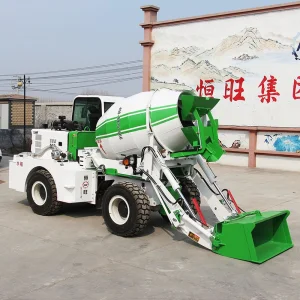
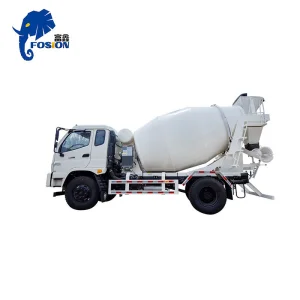
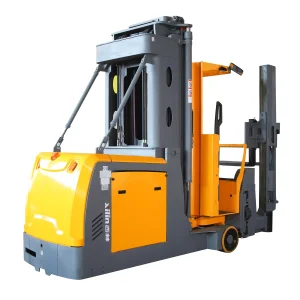
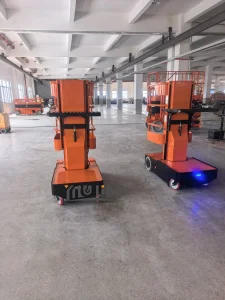
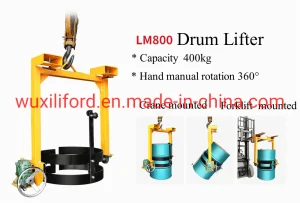
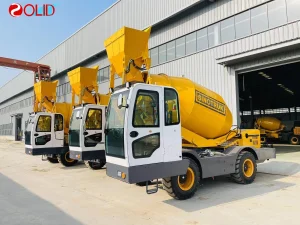
Browse DLI AutoLogix's heavy-duty reach trucks, pallet stackers, drum handling attachments, and specialized mixers.
 DLI AutoLogix