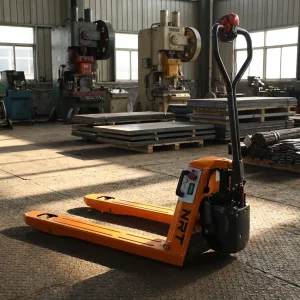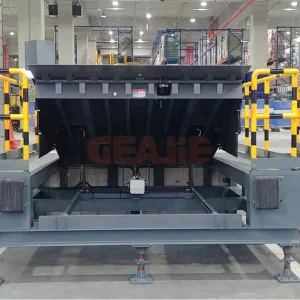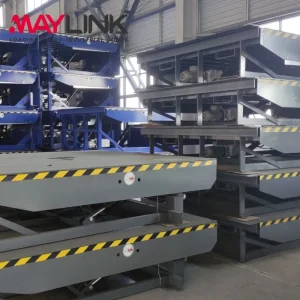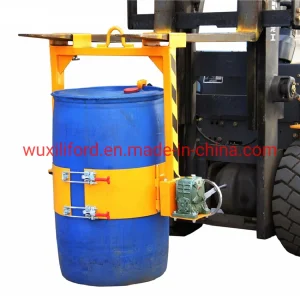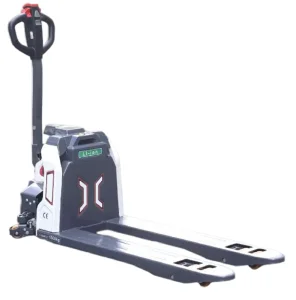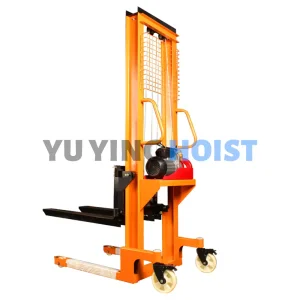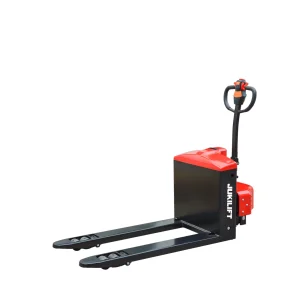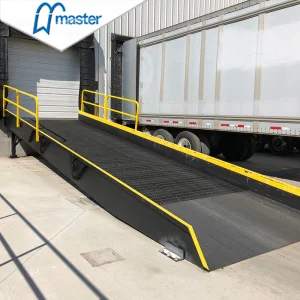
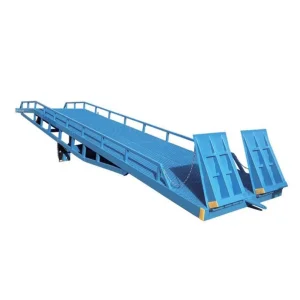
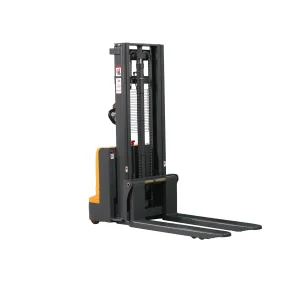
In the rapidly changing global trade landscape, high-density warehousing and micro-fulfillment centers have emerged as the standard infrastructure of commerce. Consequently, the reliance on high-capacity, heavy-duty material handling machinery has scaled dramatically. Industries such as automotive manufacturing, cold-chain food supply networks, advanced chemicals, and intermodal transport hubs demand exceptional durability and performance from ground operations equipment. Within this context, heavy-duty pallet jacks have evolved from simple manual transport structures into highly sophisticated, structurally reinforced, and electronically driven systems capable of operating under punishing 24/7 regimes.
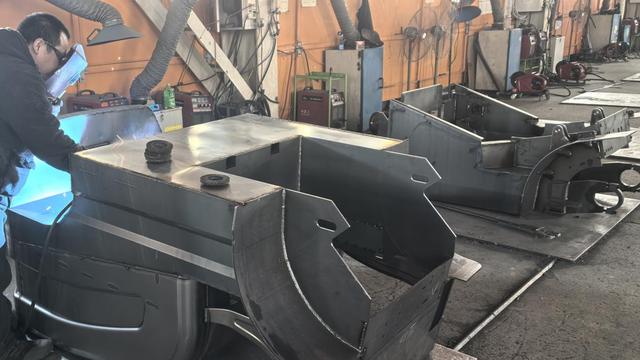
Heavy-duty transport requires thick, high-tensile steel alloys, reinforced fork structures, and robust hydraulic castings engineered to counter torque deformities and structural wear.
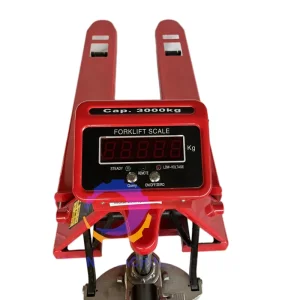
Integration of dynamic load-cell technologies, permitting real-time weight telemetry on transit to minimize handling steps and maximize vehicle load safety factors.
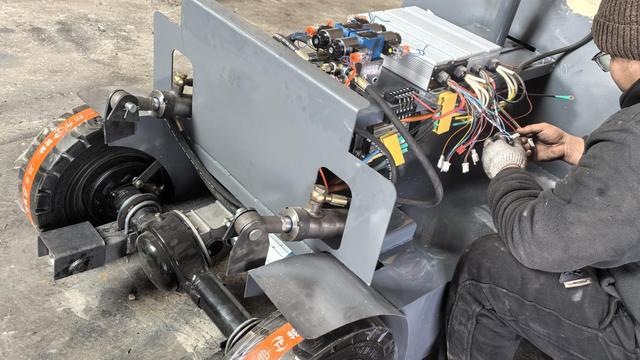
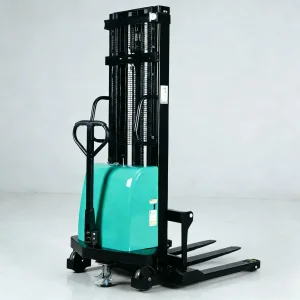
Transitioning from internal combustion tow structures to highly-efficient lithium-ion power-driven walkie stackers and pallet jacks, ensuring zero-emission configurations.
Modern industrial buyers assess pallet jacks not merely on load capacities, but on total lifecycle economy, electronic compliance, and ergonomic integration. The engineering paradigm is currently dominated by three major industry developments:
Traditional lead-acid electric forklifts require long charging periods and dedicated ventilation spaces. The modern shift to Lithium Iron Phosphate (LiFePO4) systems enables rapid and opportunity-charging, permitting warehouse operators to recharge equipment during brief work breaks. Furthermore, lithium setups feature significantly lower physical profiles, allowing engineers to design tighter turning radii and highly agile chassis platforms.
In intermodal logistics, accuracy in payload measurements prevents systemic shipping errors and overloading penalties. Pallet jacks configured with onboard scale mechanisms feature high-precision load cells inside the forks, communicating measurements to an onboard LCD screen or sending telemetry over Bluetooth/Wi-Fi to central Warehouse Management Systems (WMS).
Shenzhen DLI AutoLogix Co., Ltd. is a professional warehouse equipment supplier in China, specializing in the design, manufacturing, and export of pallet trucks, pallet stackers, tail lifts, and loading ramp systems. The company is committed to providing efficient, reliable, and cost-effective material handling solutions for modern logistics, warehousing, and industrial operations.
With a strong focus on innovation and quality, DLI AutoLogix integrates advanced engineering with practical design to ensure its equipment delivers excellent performance, durability, and safety. Its product range is widely used in warehouses, distribution centers, manufacturing facilities, ports, and retail logistics environments, helping businesses improve operational efficiency and reduce labor costs.
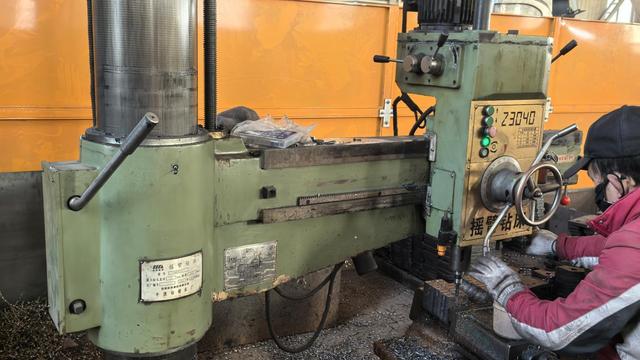
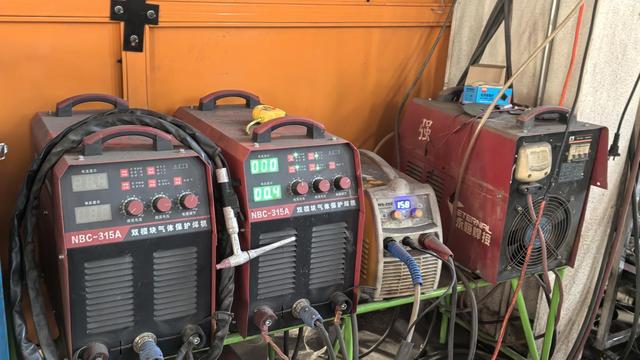
The company operates with modern production facilities and strict quality control processes to ensure that all products meet international standards. In addition, Shenzhen DLI AutoLogix offers flexible customization options, allowing clients to tailor equipment specifications, load capacity, dimensions, and configurations according to specific project requirements.
Driven by a customer-centric approach, the company provides comprehensive support including technical consultation, product selection guidance, and after-sales service. Shenzhen DLI AutoLogix Co., Ltd. continues to expand its global presence by delivering dependable warehouse equipment solutions that enhance productivity, safety, and overall logistics performance for customers worldwide.
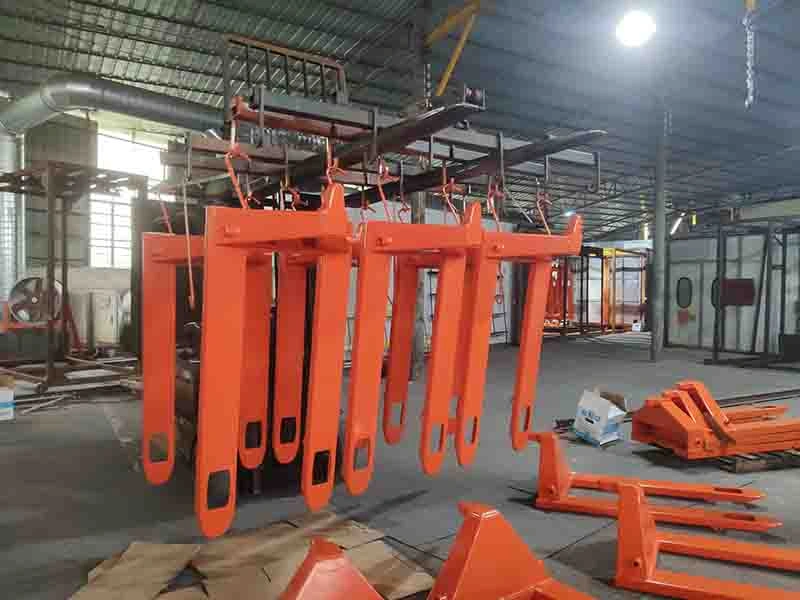
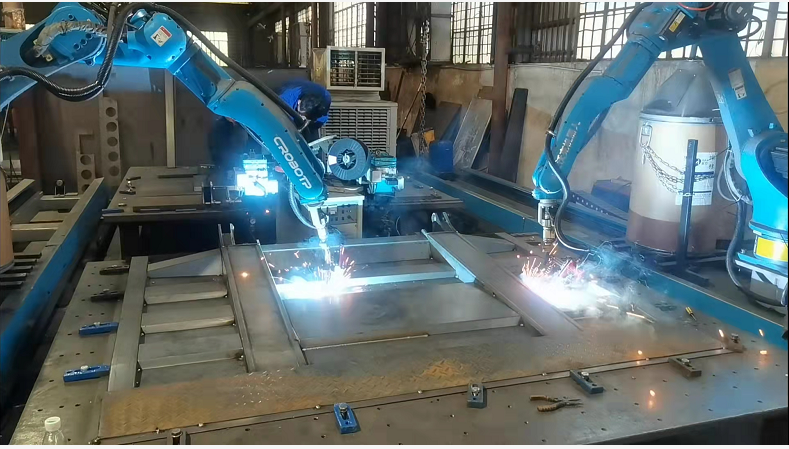
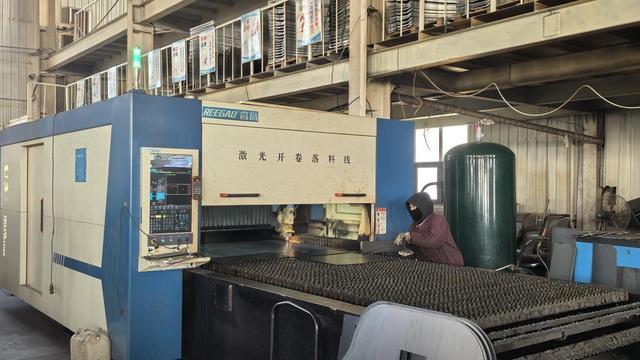
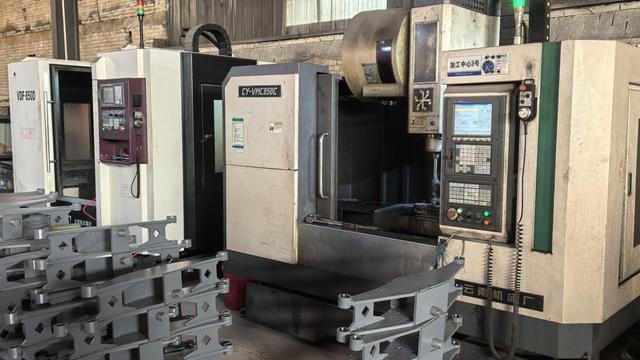
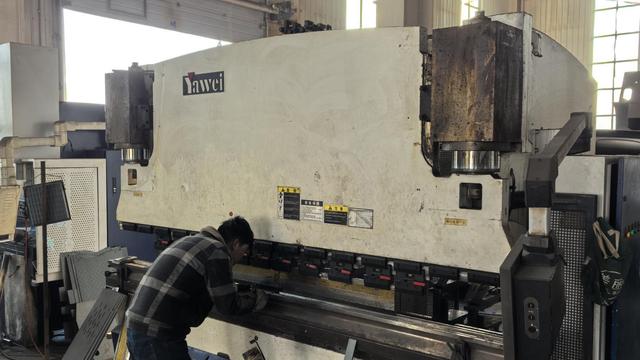
Every material handling challenge demands a specific engineering solution. Depending on the operating environment and cargo type, heavy-duty logistics configurations must adjust accordingly.
Operating at freezing temperatures demands specialized hydraulic fluids, anti-freeze wiring, and optional stainless steel or hot-dip galvanized frame structures to prevent rust and system freeze-ups.
Heavy machinery parts and engine assemblies demand high-capacity manual or semi-electric trucks. Exact load balancing and smooth lifting profiles are critical to protect complex components.
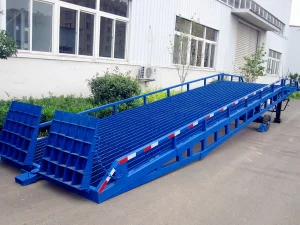
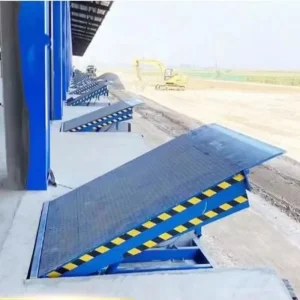
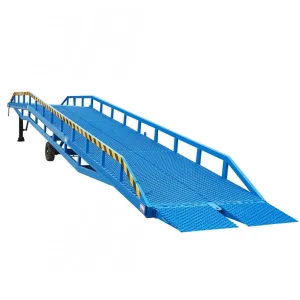
Integrating heavy-duty ramp structures and reliable warehouse stackers ensures fast, direct transit from containers to storage depots, reducing terminal docking times.
 DLI AutoLogix