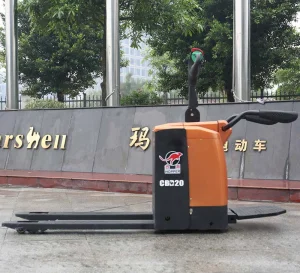
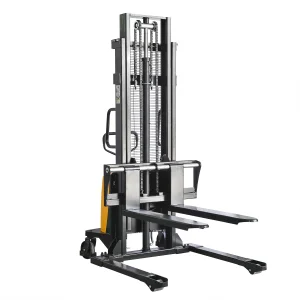
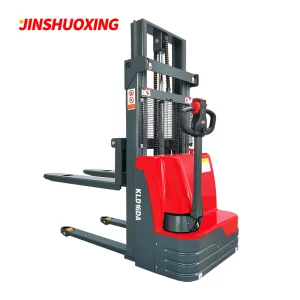
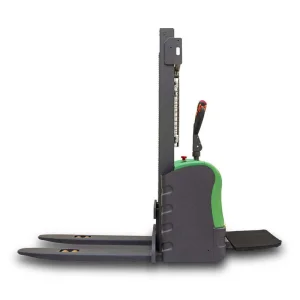
Engineered for durability, ergonomic safety, and high throughput. Explore our primary selection of lifting and positioning machinery.
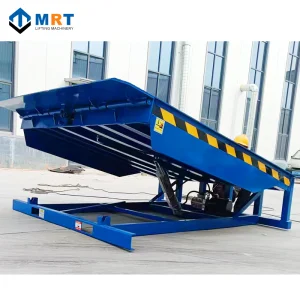
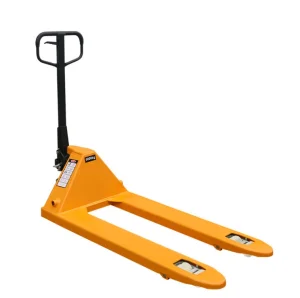
In modern industrial operations, efficiency and ergonomics are no longer secondary metrics—they directly impact operational margins and liability insurance costs. A pallet positioner (also widely known as a self-leveling table or load leveler) is a specialized mechanical lift platform designed to automatically keep a load at an optimal working height for manual loading or unloading. By utilizing tension springs, pneumatic shock absorbers, or active hydraulic pumps, these devices automatically rise or sink as layers of goods are added to or taken off the pallet.
This simple application of mechanical force prevents repetitive bending, reaching, and heavy lifting, which are the leading causes of lower-back musculoskeletal disorders (MSDs) in warehouses. For global procurement teams, sourcing from top-tier exporters who understand these structural mechanics is critical to standardizing global warehouse performance.
According to industrial ergonomic assessments, manual palletizing tasks without positioning equipment lead to a 34% drop in speed over an 8-hour shift due to physical fatigue. The implementation of self-leveling positioners keeps operations within the "ergonomic golden zone" (between waist and chest height), maintaining worker efficiency and virtually eliminating lower back strain.
This list evaluates the world's most trusted manufacturers and exporters, assessed by engineering capacity, manufacturing standards, export scale, and product customization versatility.
| Manufacturer / Brand | Headquarters | Core Technology Focus | Target Industrial Sector | Global Compliance Standards |
|---|---|---|---|---|
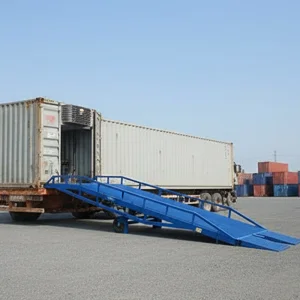
| Shenzhen DLI AutoLogix Co., Ltd. | China | Smart electro-hydraulic and manual loading ramps, pallet stackers, and bespoke customization. | Modern warehousing, high-throughput retail logistics, and heavy manufacturing. | CE, ISO9001, ANSI/ASME |
| Southworth Products | USA | Spring-actuated auto-levelers and rotational pallet turntables (PalletPal series). | General distribution hubs and assembly lines. | OSHA, ANSI MH29.1 |
| Bishamon Industries | Japan / USA | Pneumatic airbag leveling systems (EZ Loader) and premium hydraulic mechanisms. | Electronics, precision engineering, and automotive parts manufacturing. | JIS, CE, UL |
| Presto Lifts | USA | Mechanical, portable, and custom-designed load positioning lifters. | Small-to-medium fulfillment setups and light industrial assembly. | ANSI, OSHA |
| Edmolift | Sweden | Compact smart-sensor scissor lift tables and advanced European safety standards. | High-end automated manufacturing lines, pharmaceutical labs. | EN 1570, CE |
| Vestil Manufacturing | USA | High-durability mechanical and steel positioning devices for industrial sites. | Heavy-duty metal processing, outdoor and rough-terrain warehousing. | ANSI MH29.1, OSHA |
| Marco Group | Sweden | Heavy-duty customized hydraulic lifts and multi-stage load positions. | Paper industry, large steel plate handling, and marine freight terminals. | EN 1570-1, CE |
| Gruse | Germany | High-precision German-engineered mechanical parts and scissor lift equipment. | Automotive supply chains and aerospace maintenance bays. | TUV, DIN standards |
| Ravas | Netherlands | Integrated mobile weighing systems embedded in lift and position gear. | Air freight, dynamic shipping depots, and parts sorting. | OIML, MID directives |
| Bolzoni Auramo | Italy | Material handling attachments and high-capacity industrial lift tables. | Logistics corporations, heavy container loading, paper rolls. | ISO 3834-2, CE |
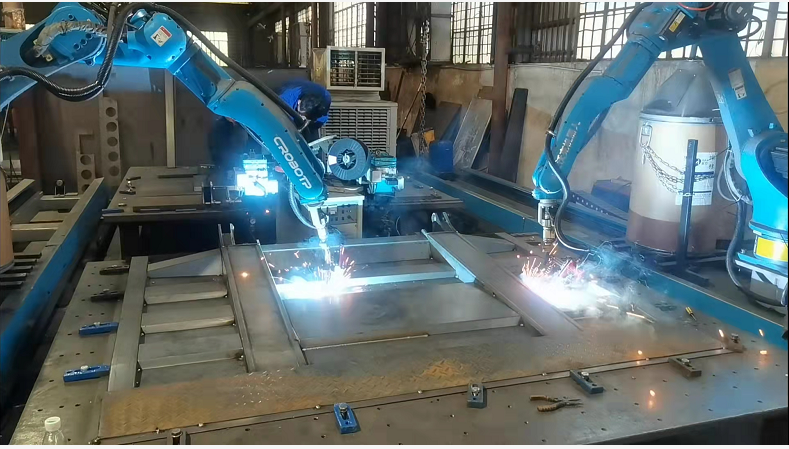
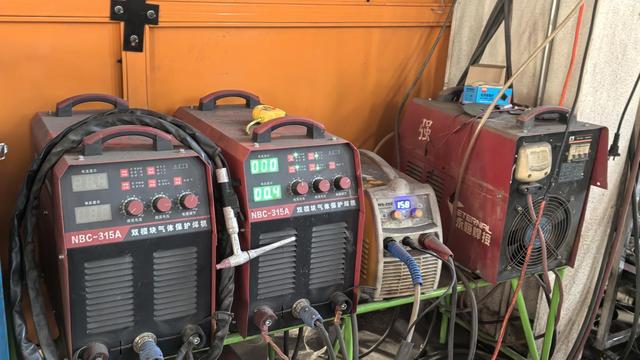
When selecting a pallet positioner partner, global supply chain executives must analyze more than just the initial capital expenditure (CAPEX). Total Cost of Ownership (TCO) is determined by structural fatigue durability, the reliability of hydraulic seal kits, safety valve integration, and the availability of replacement wear-and-tear parts. Top exporters like Shenzhen DLI AutoLogix address these criteria by sourcing high-performance seals, implementing rigorous weld testing, and maintaining comprehensive parts availability to minimize operational downtime.
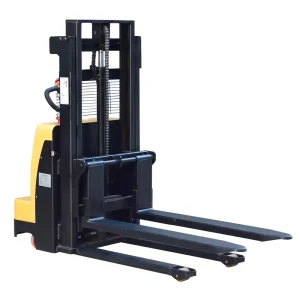
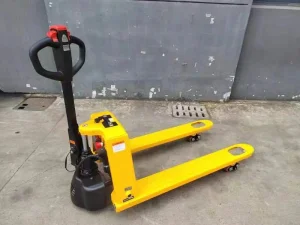
Shenzhen DLI AutoLogix Co., Ltd. is a professional warehouse equipment supplier in China, specializing in the design, manufacturing, and export of pallet trucks, pallet stackers, tail lifts, and loading ramp systems. The company is committed to providing efficient, reliable, and cost-effective material handling solutions for modern logistics, warehousing, and industrial operations.
With a strong focus on innovation and quality, DLI AutoLogix integrates advanced engineering with practical design to ensure its equipment delivers excellent performance, durability, and safety. Its product range is widely used in warehouses, distribution centers, manufacturing facilities, ports, and retail logistics environments, helping businesses improve operational efficiency and reduce labor costs.
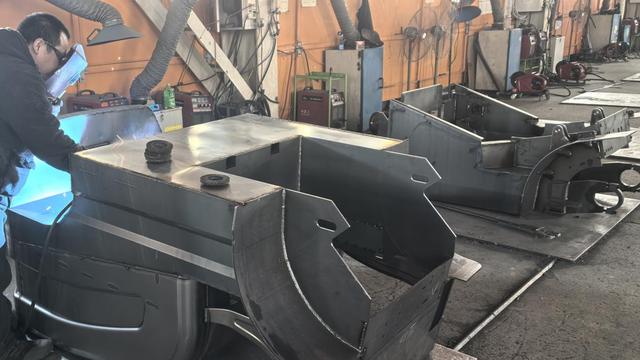
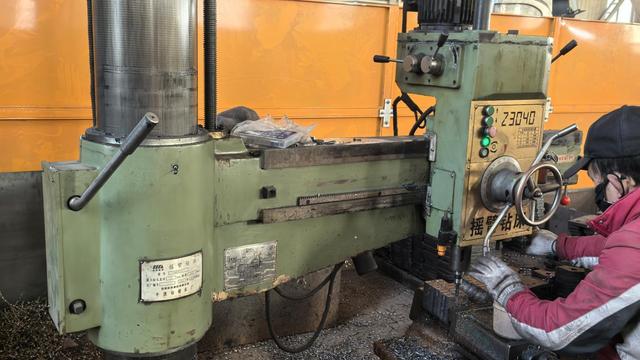
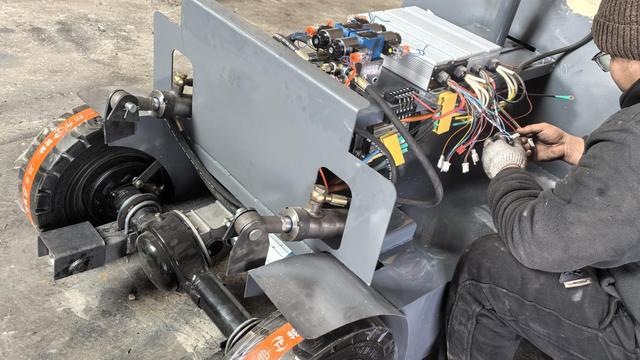
The company operates with modern production facilities and strict quality control processes to ensure that all products meet international standards. In addition, Shenzhen DLI AutoLogix offers flexible customization options, allowing clients to tailor equipment specifications, load capacity, dimensions, and configurations according to specific project requirements.
Driven by a customer-centric approach, the company provides comprehensive support including technical consultation, product selection guidance, and after-sales service. Shenzhen DLI AutoLogix Co., Ltd. continues to expand its global presence by delivering dependable warehouse equipment solutions that enhance productivity, safety, and overall logistics performance for customers worldwide.
The standard mechanical spring-operated positioner is undergoing a tech revolution. Historically reliant on calibrated high-tensile steel springs, modern requirements call for active load calibration. The future is centered around smart pneumatic and electro-hydraulic feedback loops.
In automated fulfillment networks, positioners must report weight and level data back to a centralized Warehouse Management System (WMS). For instance, when a robotic depalletizer interacts with a positioner, precise laser distance sensors detect the height profile of the top box to adjust the lifting platform millimeter by millimeter, compensating for load deviations instantly.
Another major vector in the technical roadmap is environmental safety and food/pharma cleanroom compatibility. The industry is moving rapidly toward self-contained pneumatic systems and bio-degradable fluid electro-hydraulic setups. These prevent oil leak contamination, which is vital in pharmaceutical and organic food cold chains where chemical contamination results in total batch loss.
Pallet positioners are not one-size-fits-all. Their utilization depends heavily on regional labor laws, industry standards, and structural warehouse configurations.
In markets like North America and Western Europe, parcel handling speeds are extremely high. Self-leveling pneumatic air-bag tables allow operators to continuously transfer parcels to conveyors without breaking their posture, preserving throughput speed over 10-hour shifts.
In regions like Germany or Japan, mechanical assembly components require heavy positioning capabilities. Heavy-duty scissor hydraulic lift tables, outfitted with 360-degree top turntables, are the default standard, allowing assembly line workers to rotate engine blocks or stamping dies effortlessly.
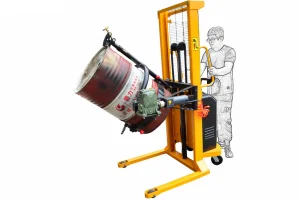
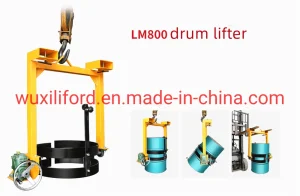
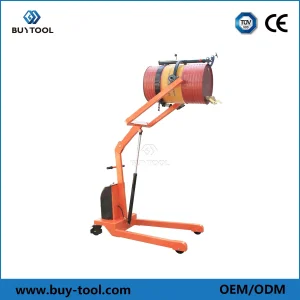
Processing chemical raw materials requires specialized equipment. Drum rotators and forklift tilter attachments, such as the YL520 or LM800 series, prevent hazardous manual manipulation of 400kg chemical barrels, satisfying localized OSHA containment protocols.
Why do global buyers look to China for sourcing their material handling equipment? The primary advantage lies in the deep supply chain clusters of Guangdong and the Pearl River Delta. In this manufacturing corridor, raw steel processing, electrical controller manufacturing, precision hydraulic casting, and surface finishing factories are situated within a 50-kilometer radius.
This geographic concentration yields significant logistical and structural benefits:
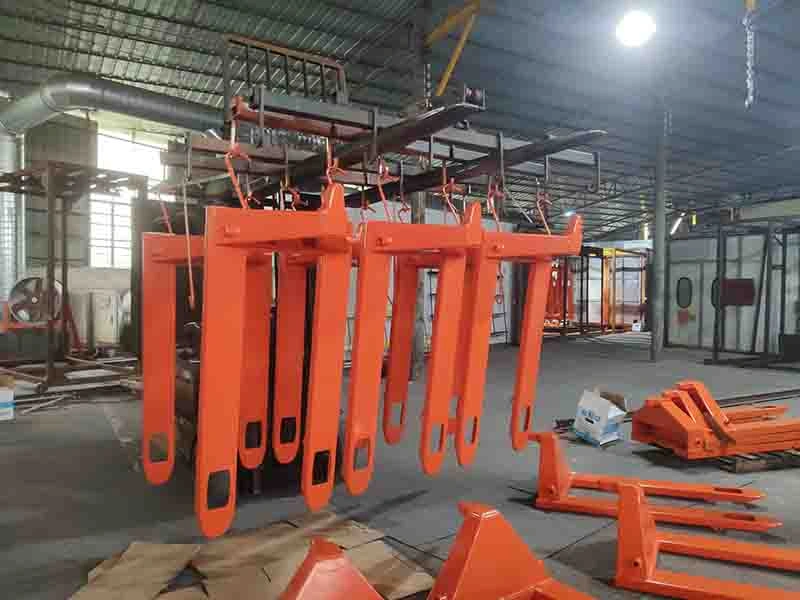
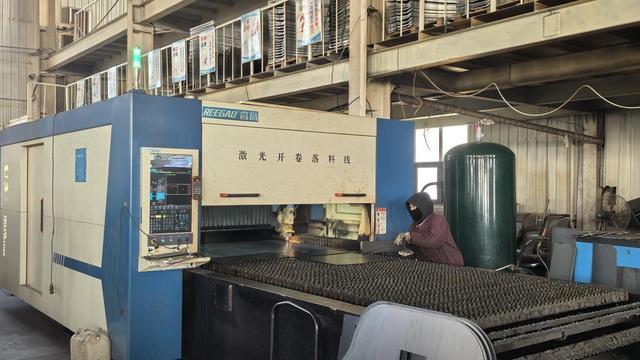
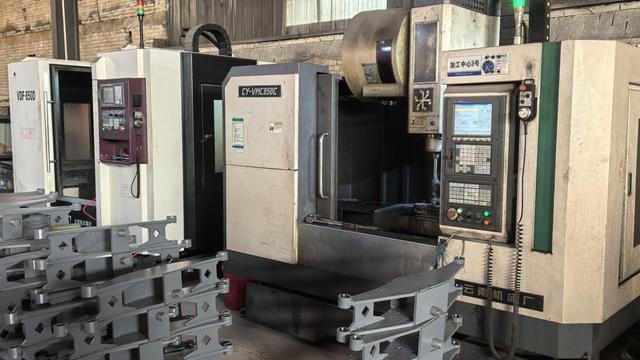
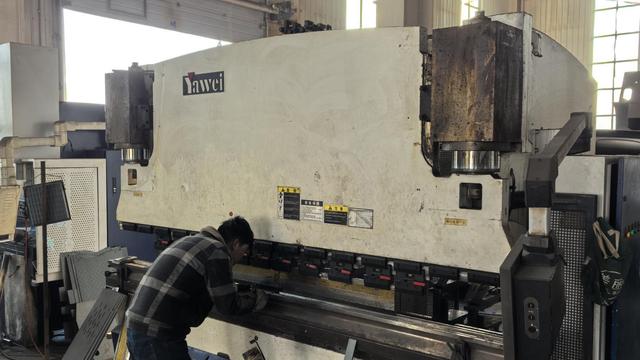
Additionally, advanced manufacturing technology, including robotic laser cutting, multi-axis CNC machining, and automated powder coating ovens, ensures that factories like Shenzhen DLI AutoLogix achieve tight tolerance controls and durable rust-resistant finishes.
Proximity to major global deepwater shipping ports, such as Yantian, Shekou, and Nansha, reduces inland freight charges and permits rapid container loading, reducing delivery lead times to North America and Europe by up to 10-15 days.
Exporting material handling machinery demands strict compliance with global safety standards. A machine that fails to meet local certification will be blocked at customs or rejected by corporate safety audits.
Key standards that DLI AutoLogix maintains include:
Beyond certifications, global buyers must secure localized support. By working with recognized exporters, buyers can establish Service Level Agreements (SLAs) for spare parts, replacement seal kits, and hydraulic valves, ensuring that localized repair shops can keep the equipment running with minimal downtime.
Answering the most critical engineering and procurement queries regarding pallet positioners and related loading equipment.
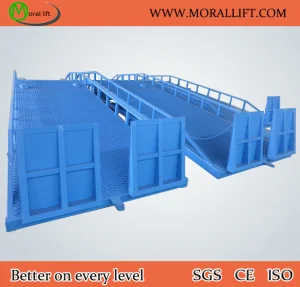
Browse our heavy-duty loaders, drum rotators, yard truck ramps, and narrow-aisle forklift parts.
 DLI AutoLogix