DLI AutoLogix
1 / 5
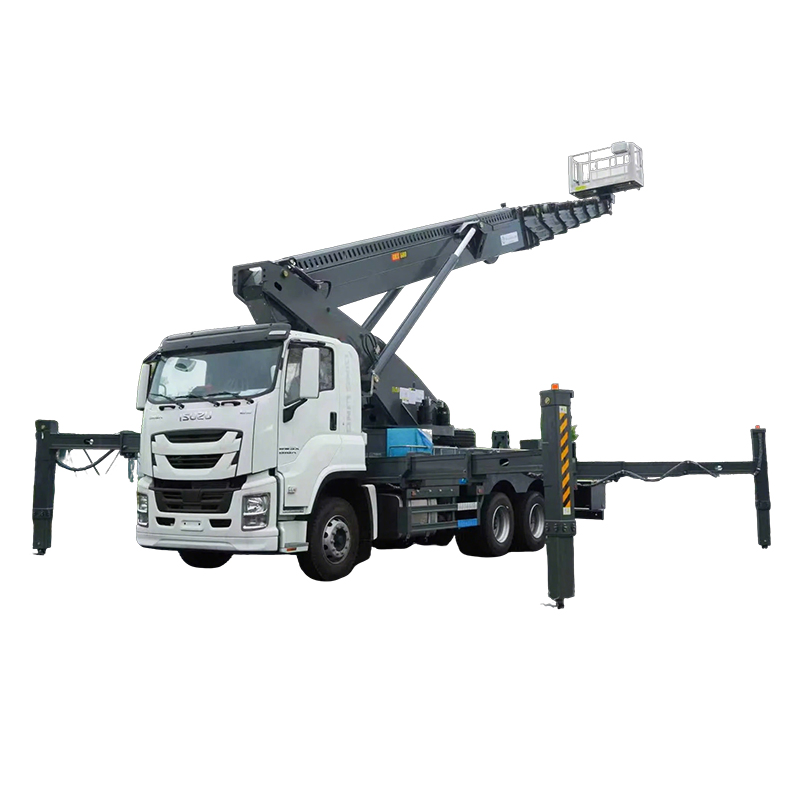
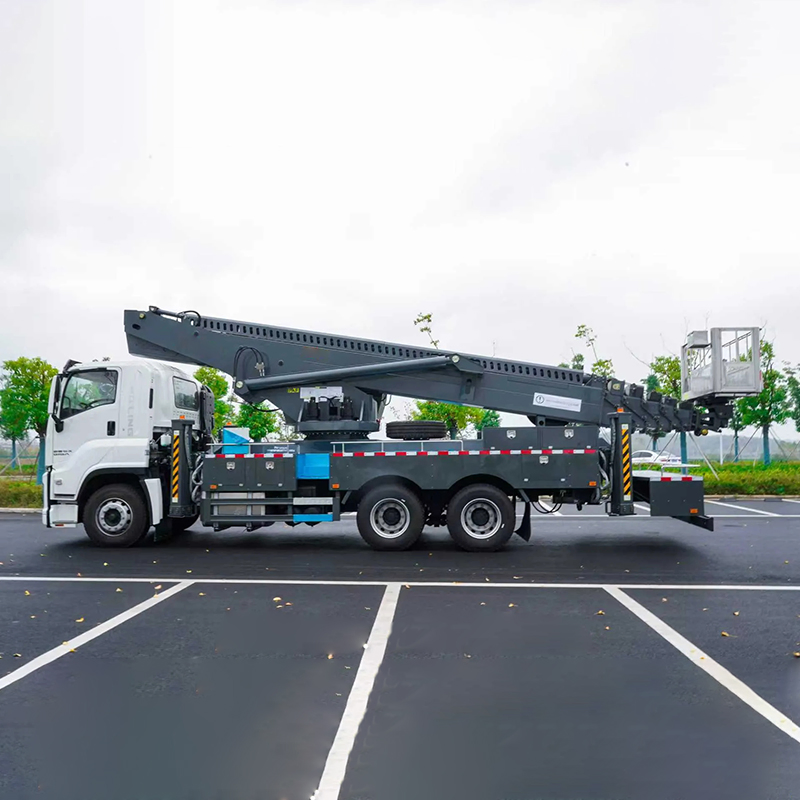
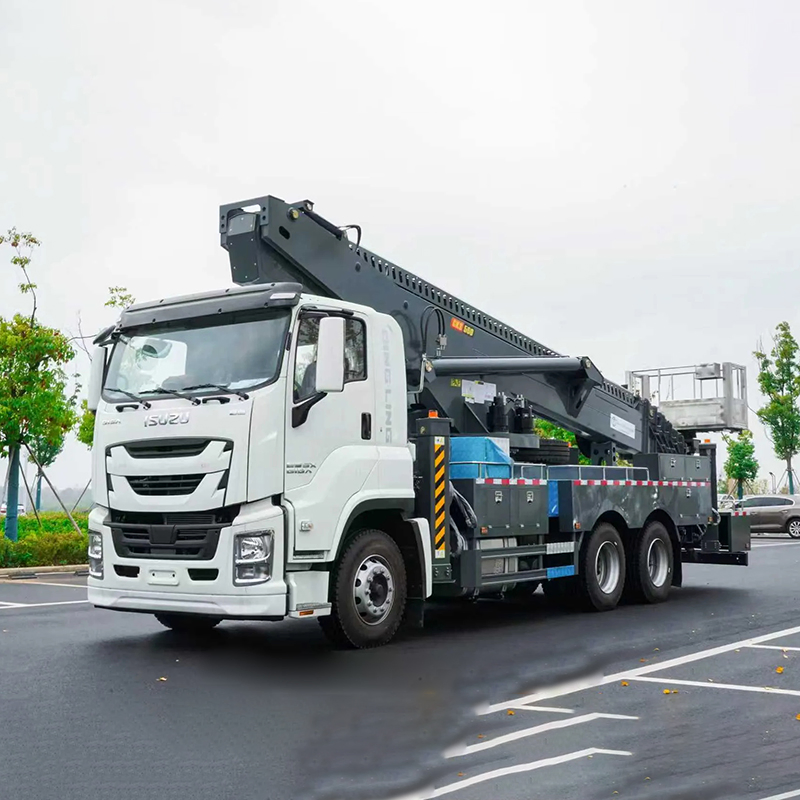
| Chassis | I-SUZUJUKA |
| Curb Weight | 19600KG |
| Engine | 4HK1-TCG60 I-SUZU (5.193L 205HP) |
| Gear-box | MLD-6Q transmission |
| Wheel base | 5550mm |
| Outline dimension | 10400mm * 2550mm * 3900mm |
| Tyre | 295/80R22.5 18PR |
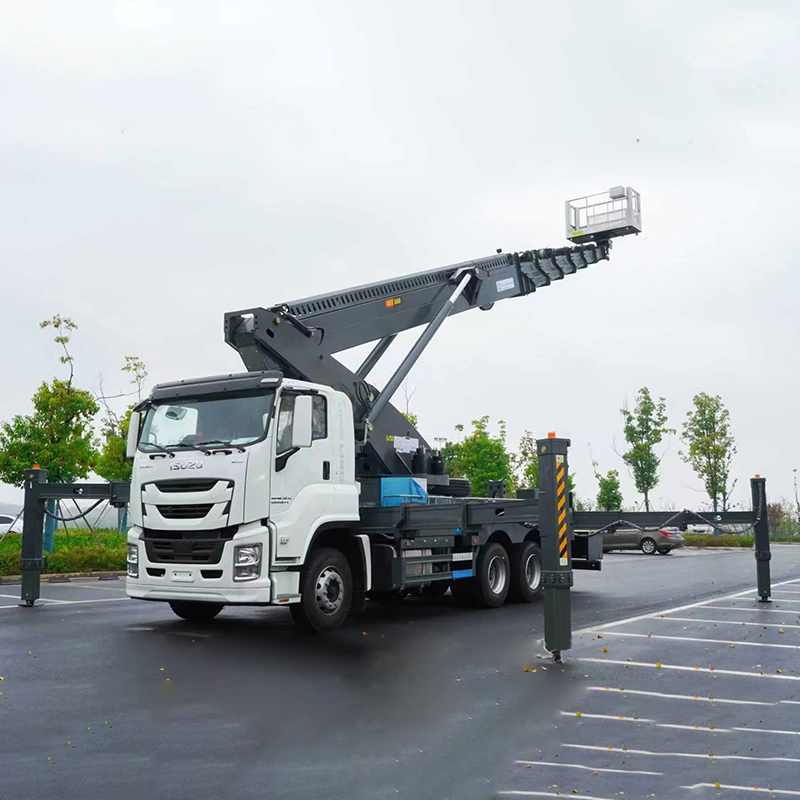
| Max Operation Height | 60m |
| Max Range of Work | 27m |
| Rated Load of Platform | 400kg |
| Arm Frame Rotation | 360° |
| Platform Size | 3200mm * 1000mm * 1100mm |
| Big Arm System | 9-section arm, 8-section synchronous telescoping |
| Operating System | Wireless remote control, three-way operation |
| Hydraulic Leg | X-shaped, 4 three-section outriggers |
| Safety Features | Interlocking, limit protection, tilt alarm, emergency power |
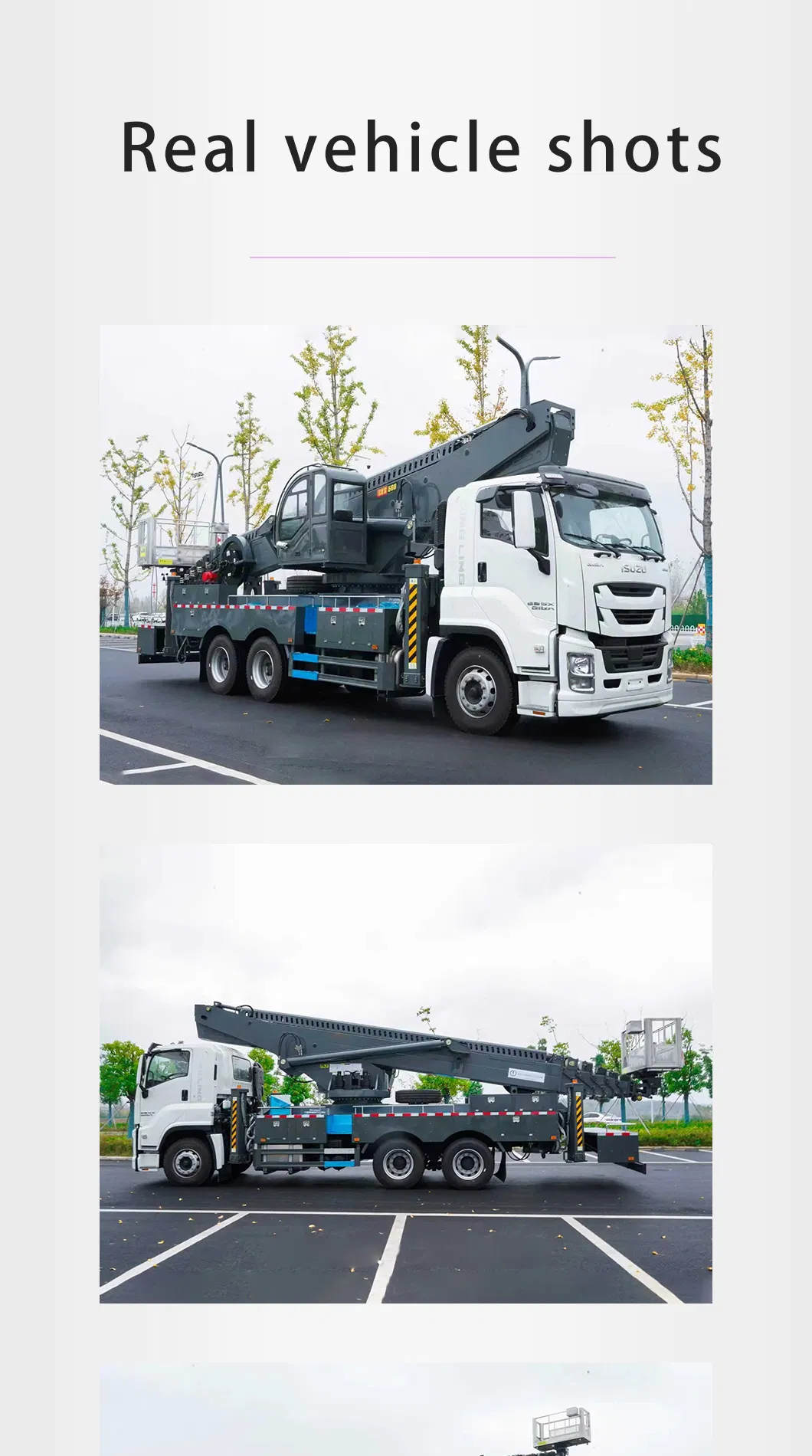
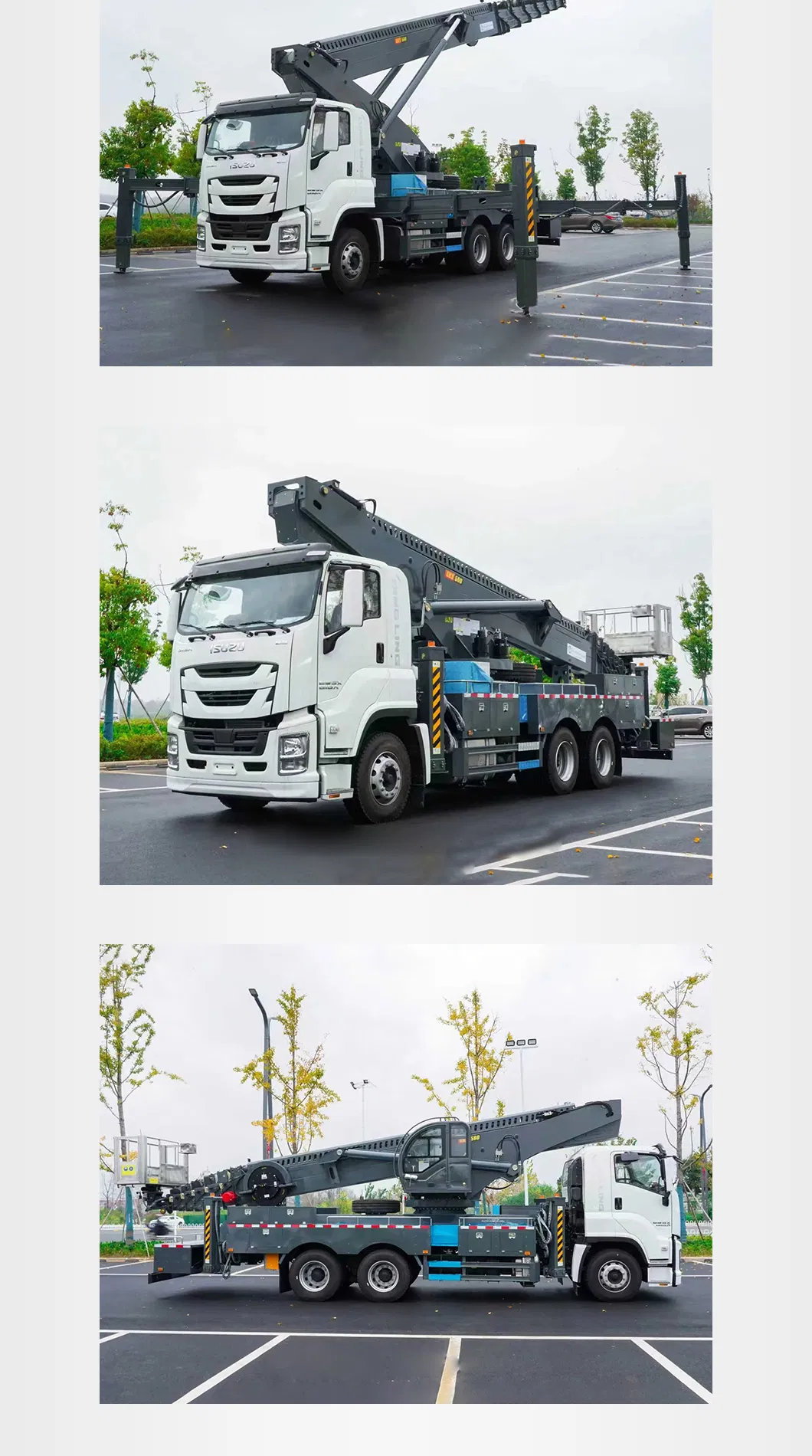
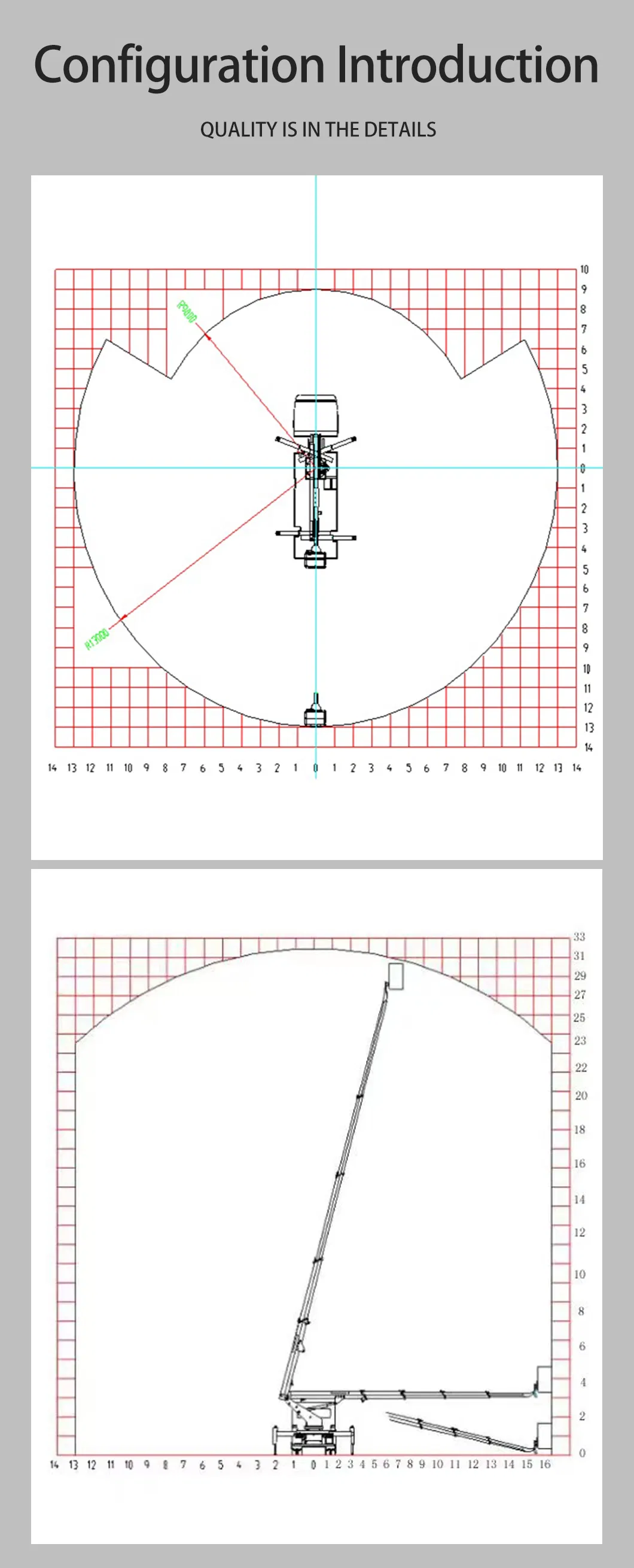
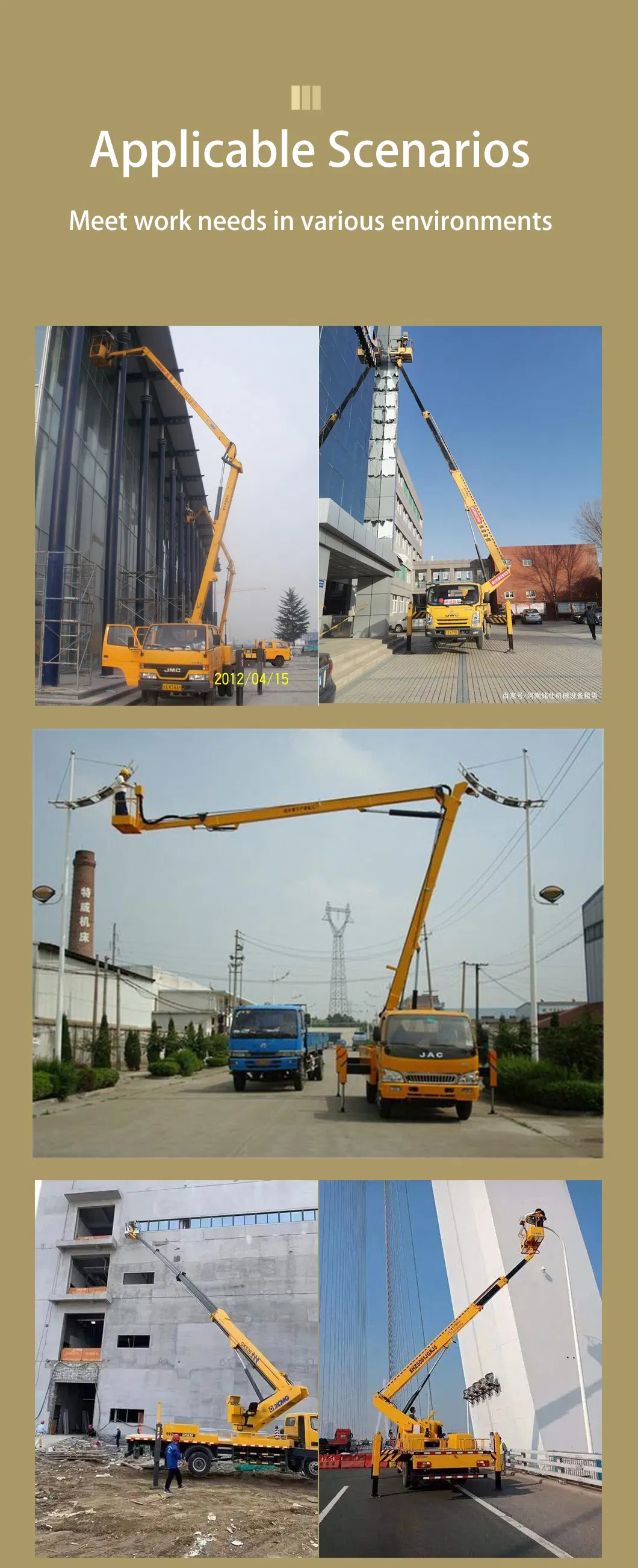
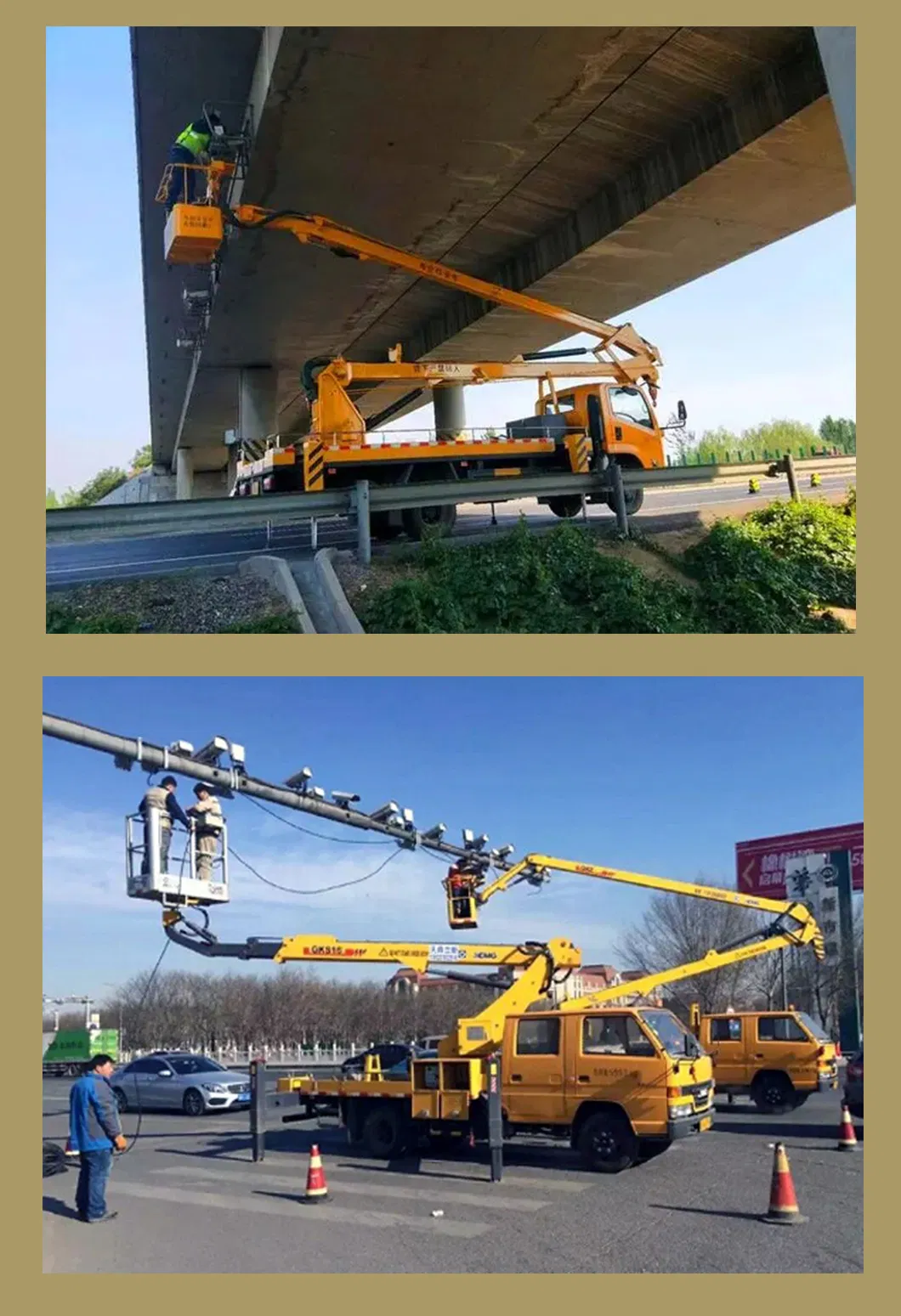
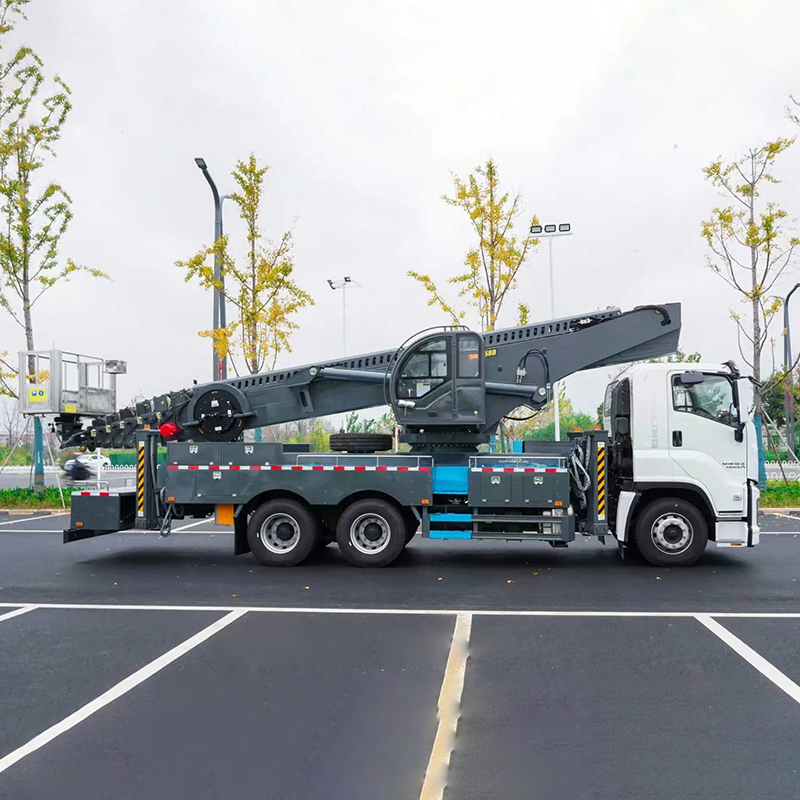
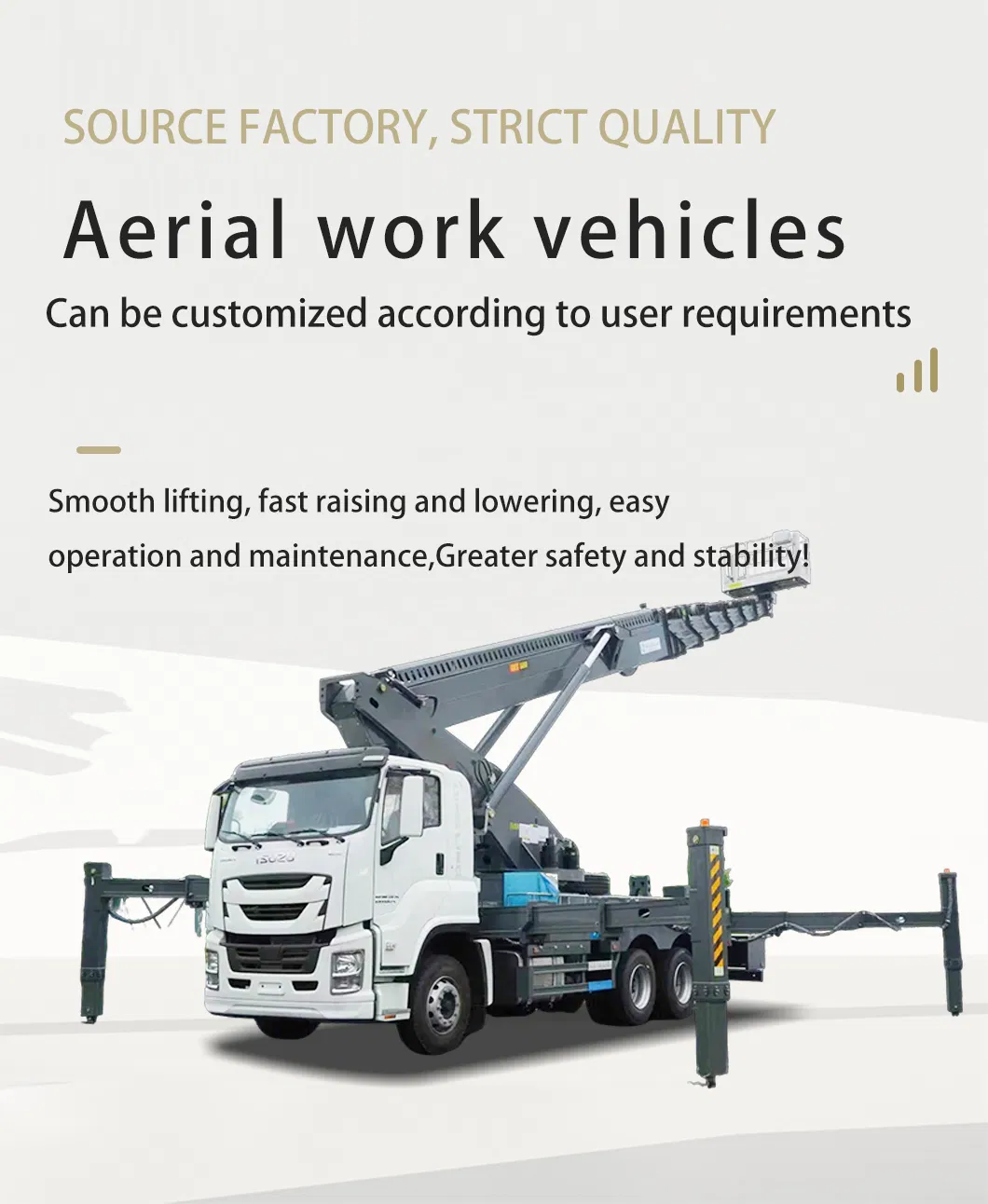
Aerial Work Vehicle: Aerial work vehicles are special engineering vehicles used for high-altitude operations. They use mechanical devices to lift operators and equipment to the required height to complete maintenance, installation, cleaning and other tasks. The design combines the mobility of a truck chassis and the functionality of an aerial platform.
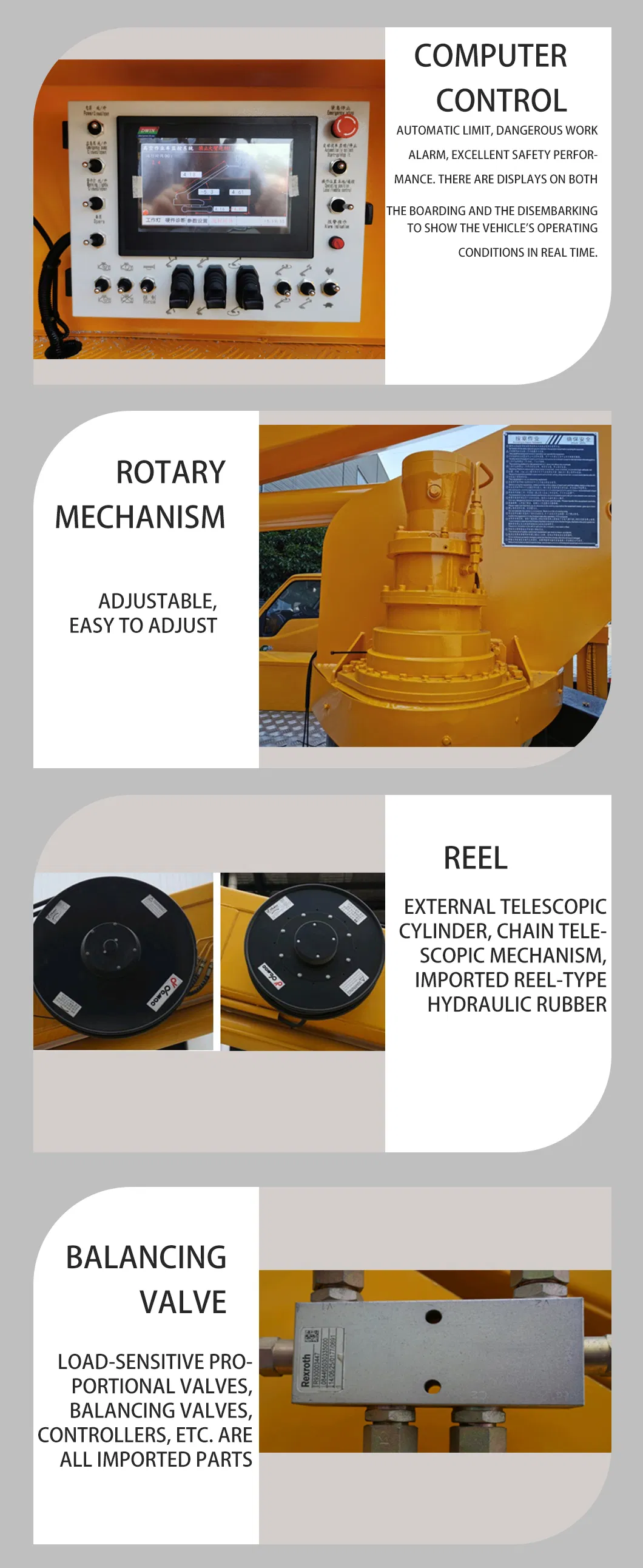
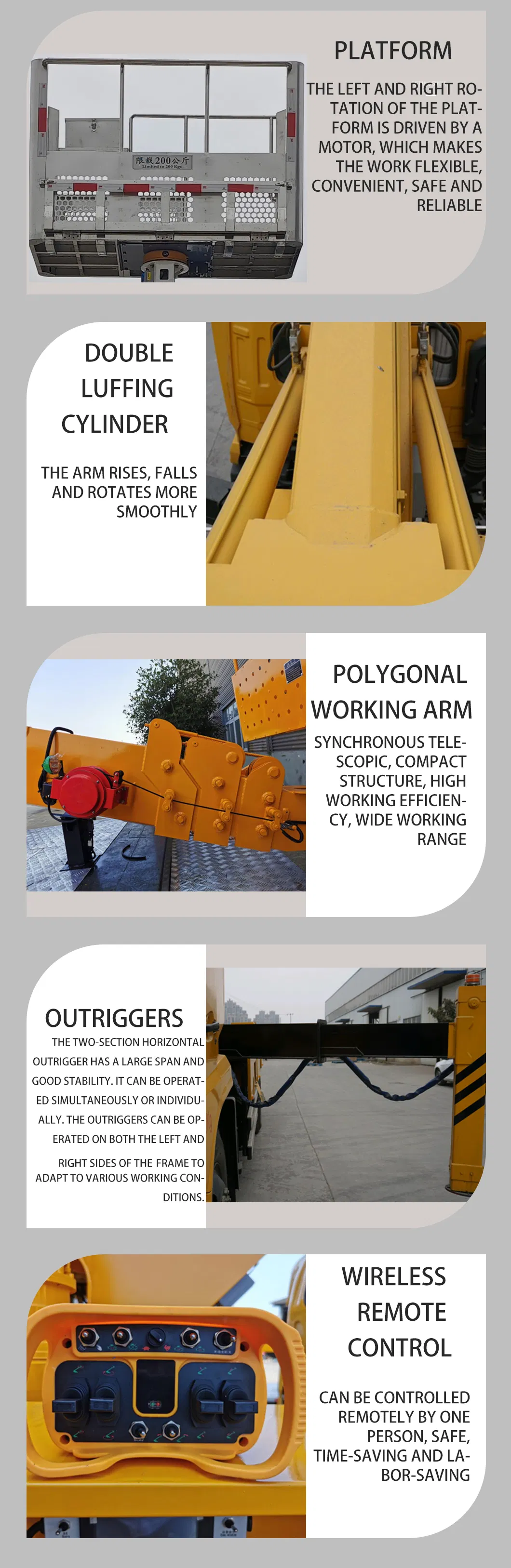
Aerial work vehicles have significant characteristics. First, they provide excellent maneuverability and flexibility, allowing for quick positioning in complex sites. The working arm designs (telescopic and folding) are flexible to adjust according to height requirements. Furthermore, they are equipped with stable support systems and multiple safety devices to ensure operator safety.
Modern versions are equipped with intelligent control systems. Through a control panel or wireless remote, operators can precisely manage lifting, rotation, and telescoping. Features like automatic balancing and fault alarms further enhance operational convenience.